



















November 6th – December 23rd, 2026
Opening reception:
Friday, November 6, 2026
6:00 to 8:00 PM
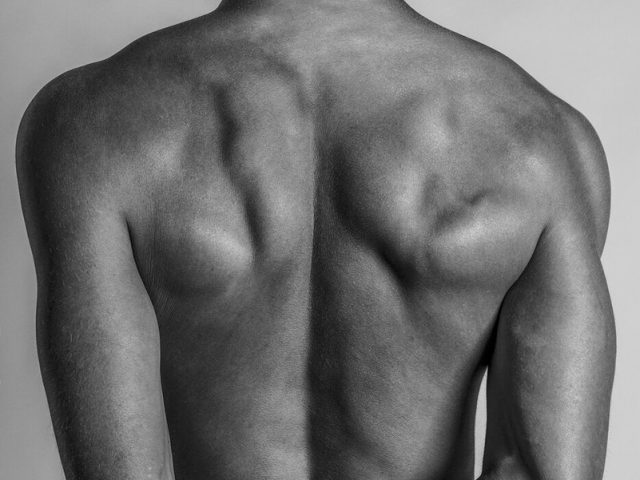
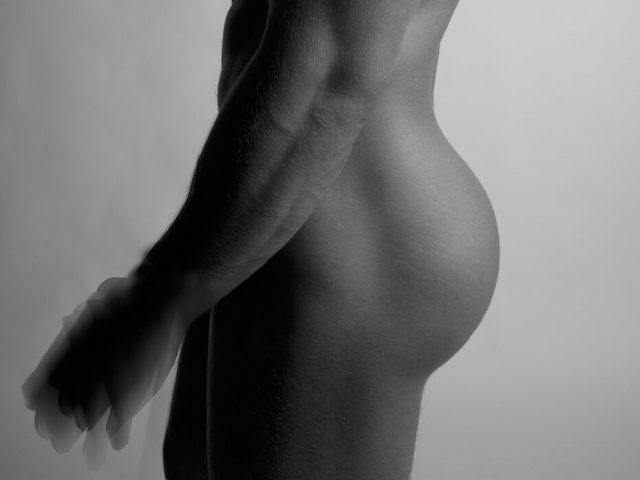
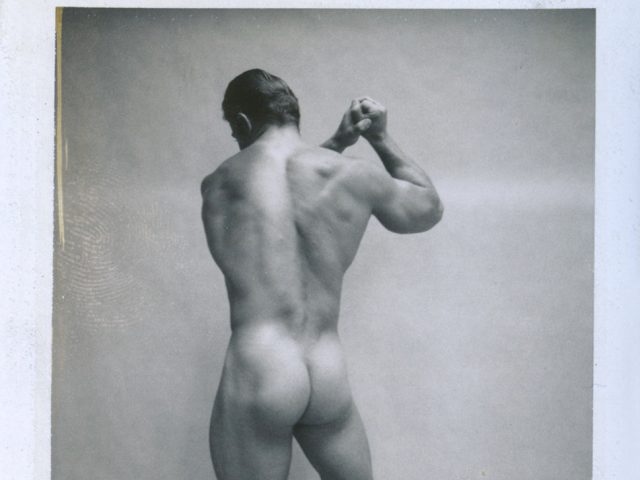
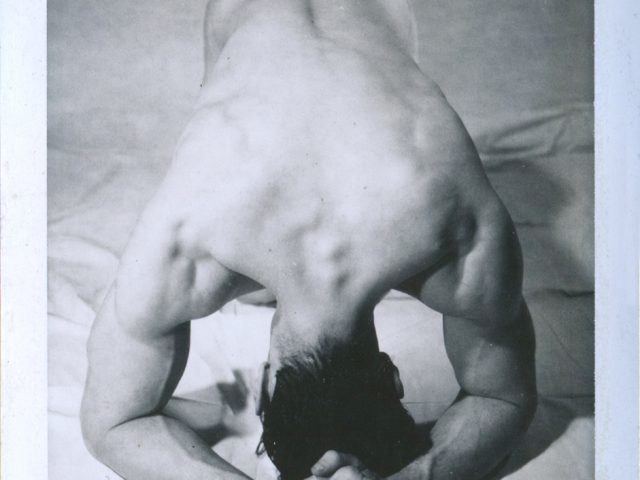
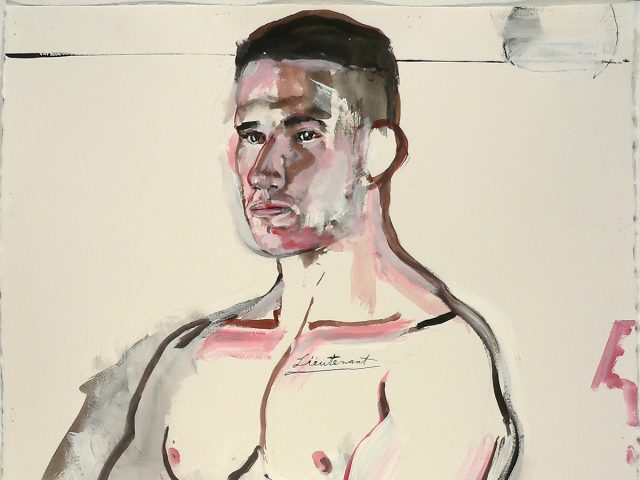
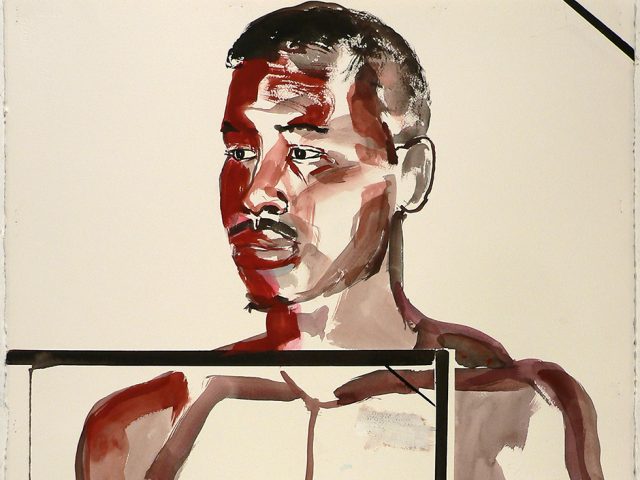
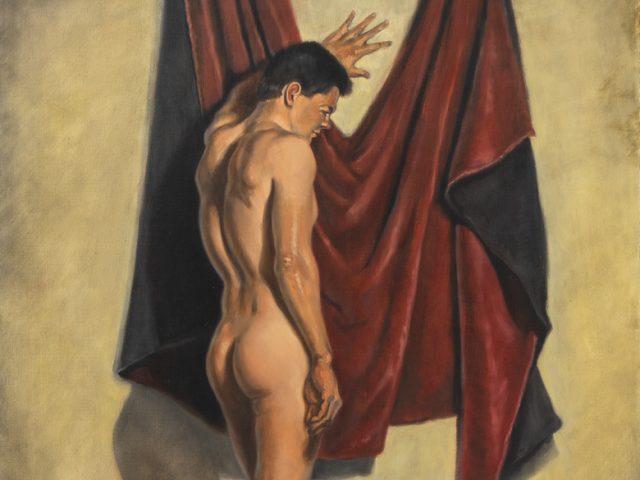
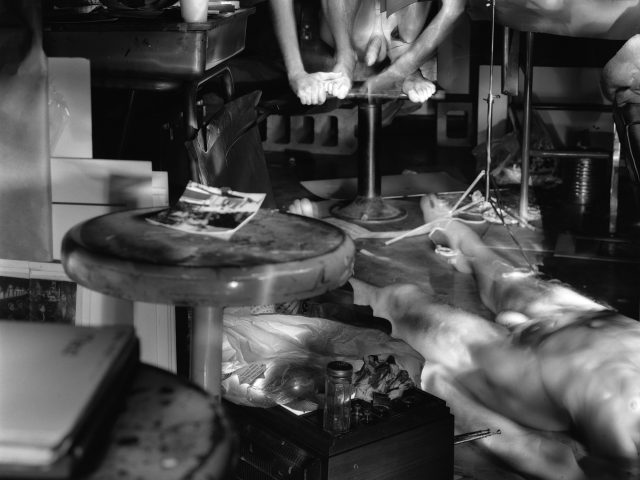
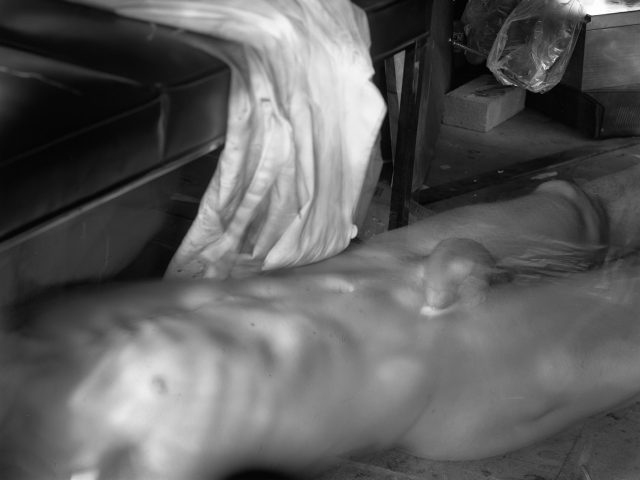
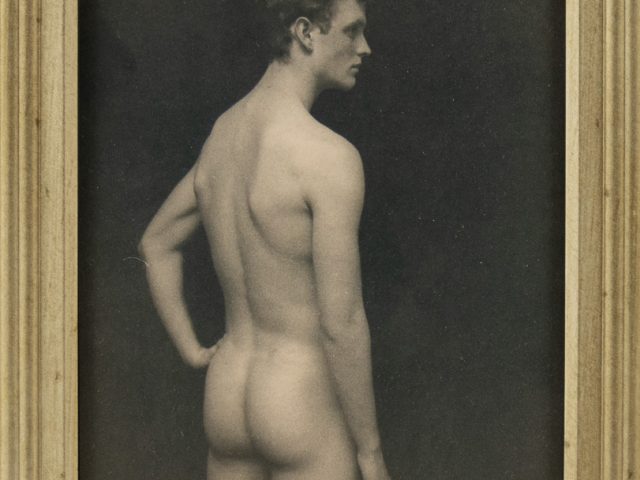
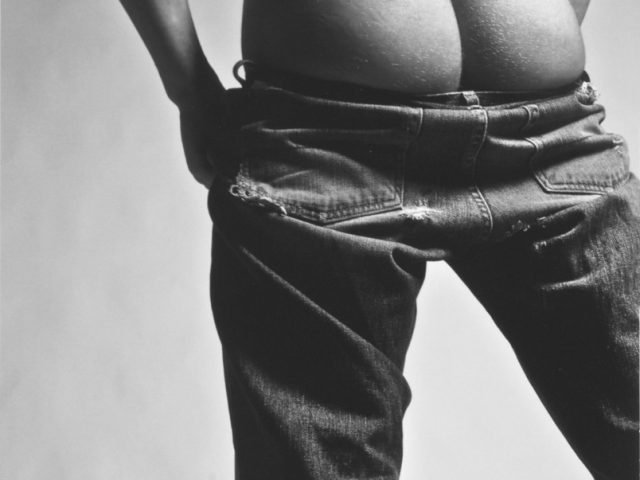
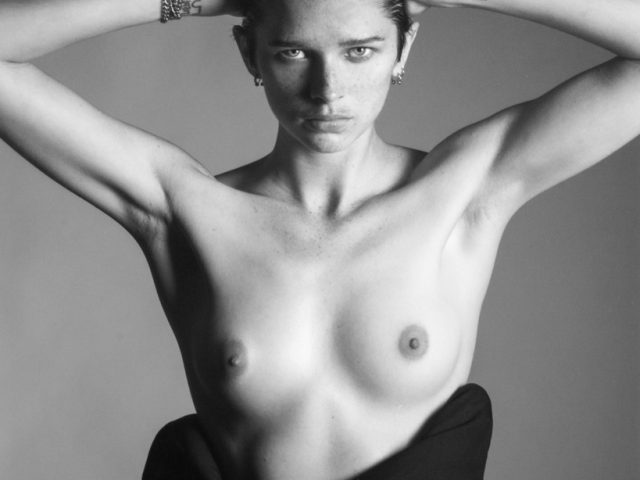
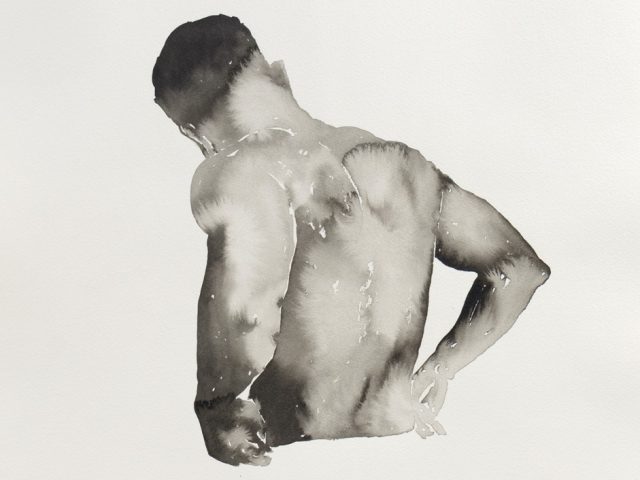
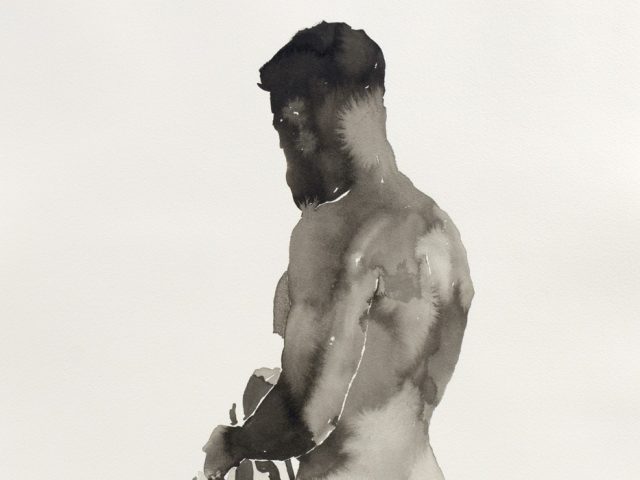
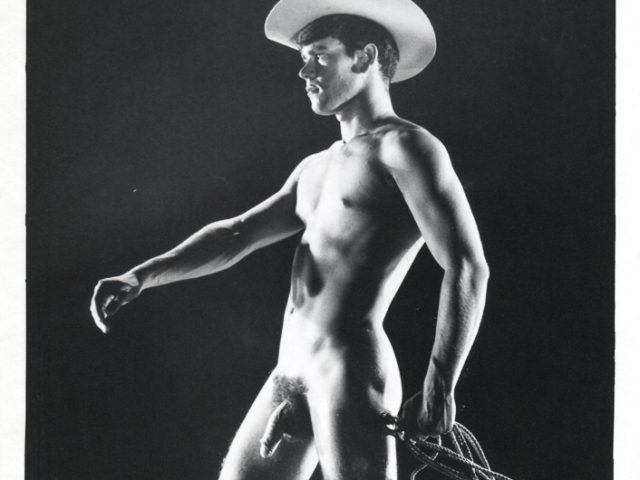
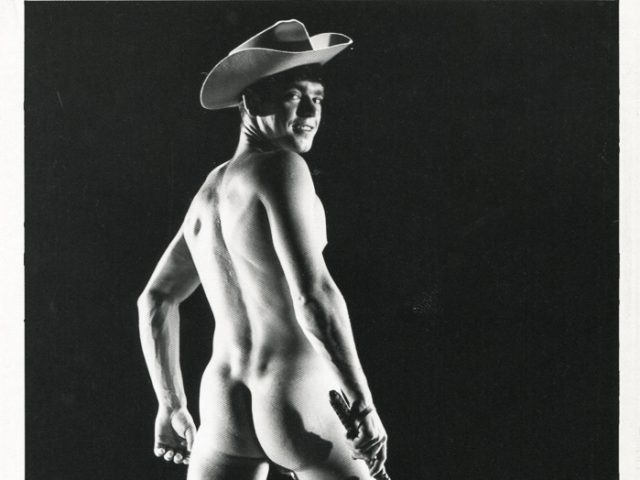
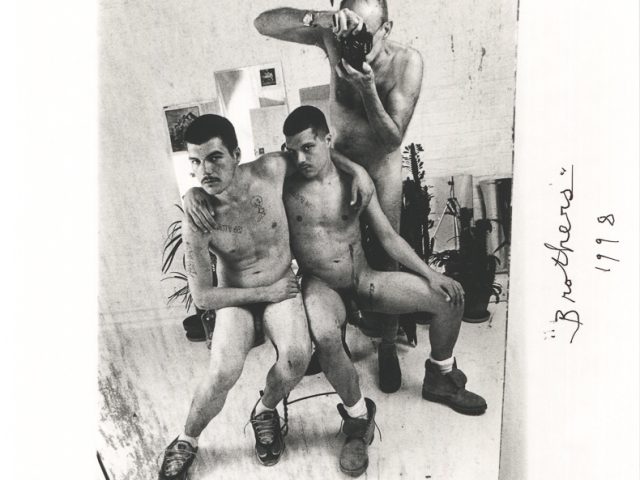
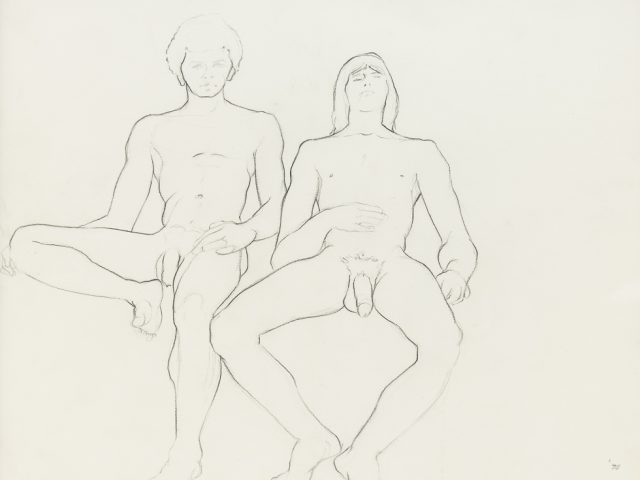
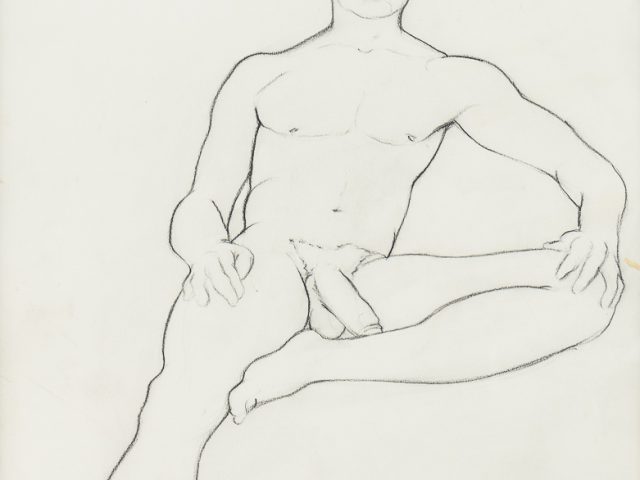
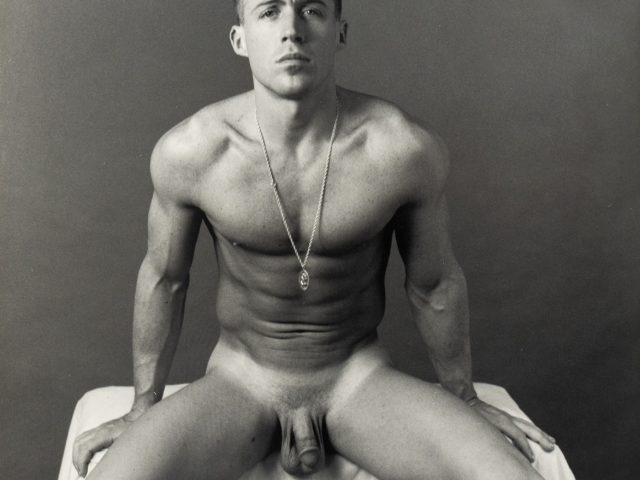
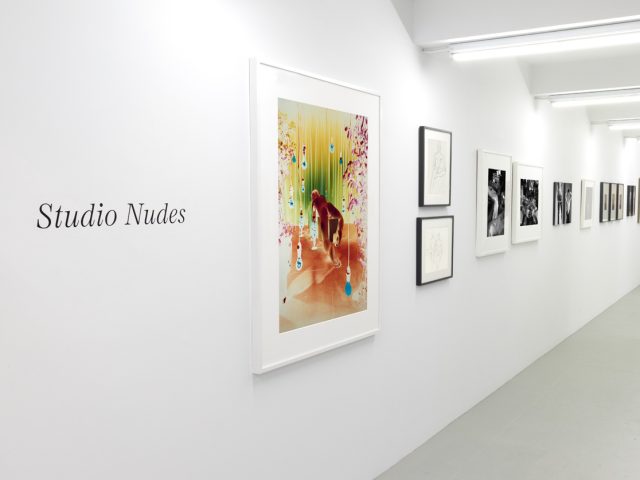
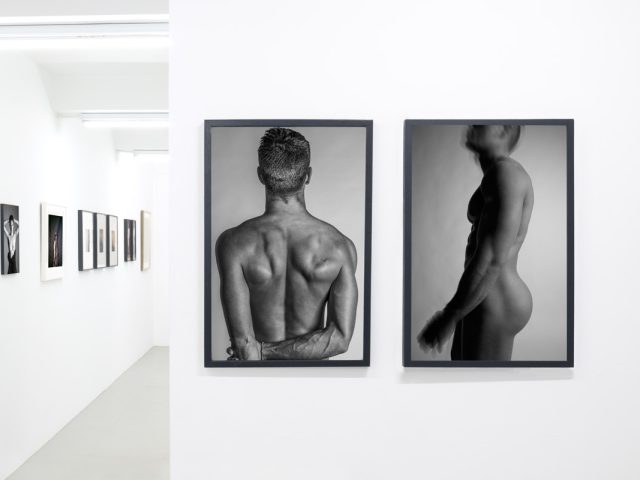
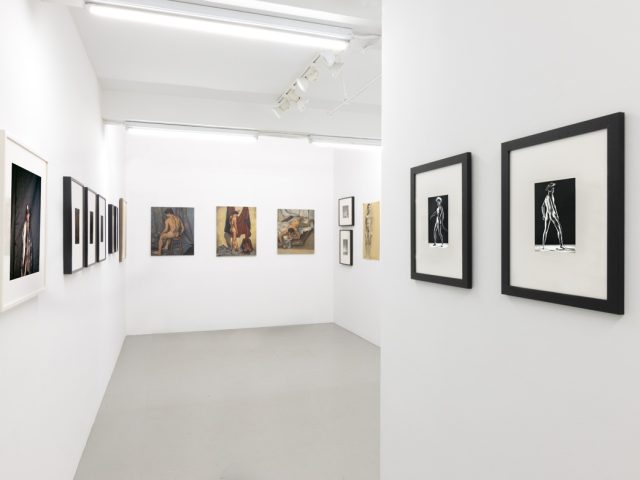
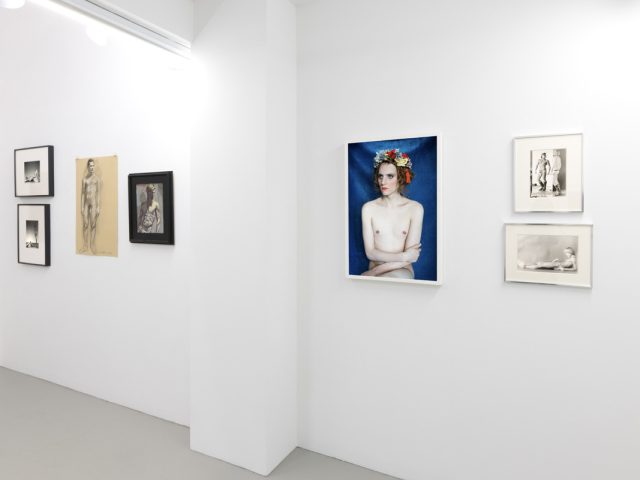
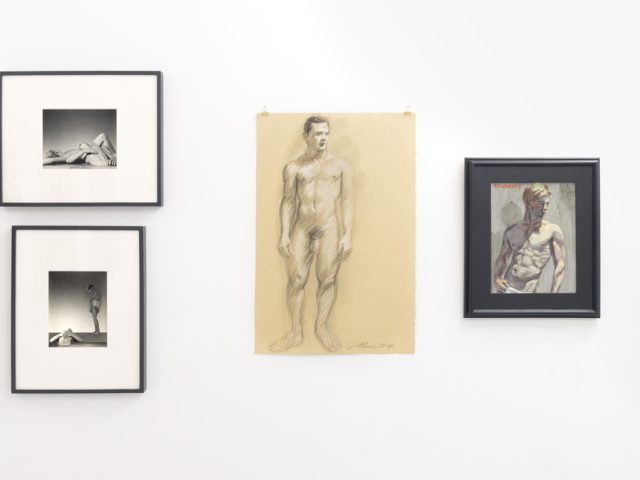
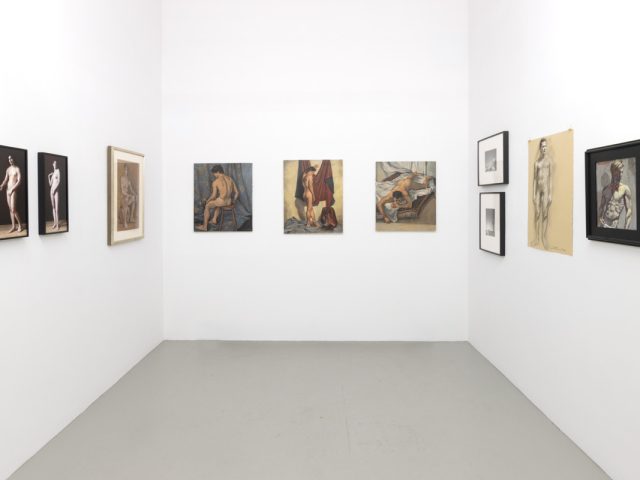
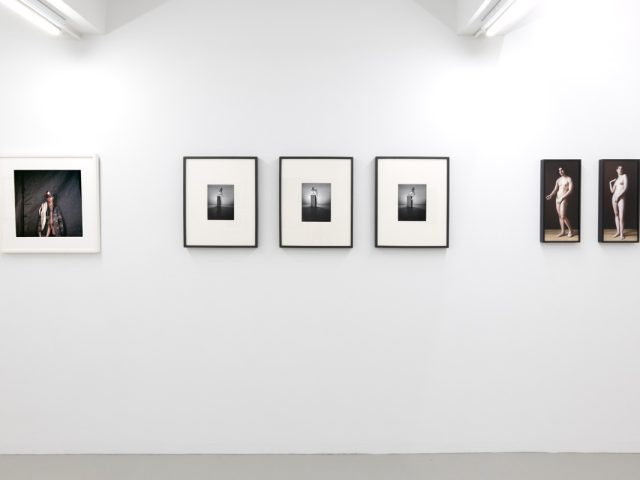
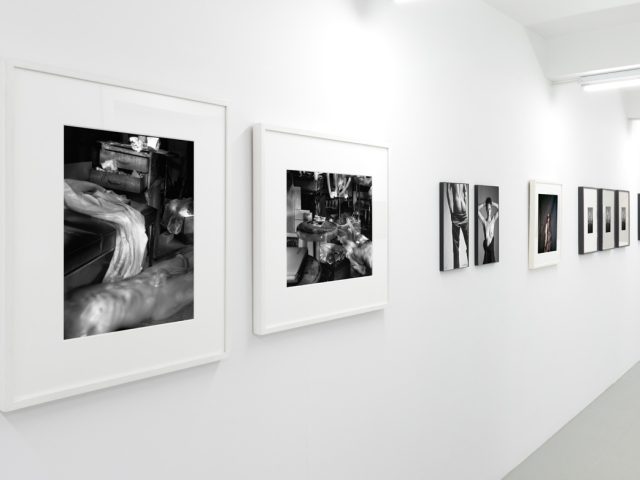
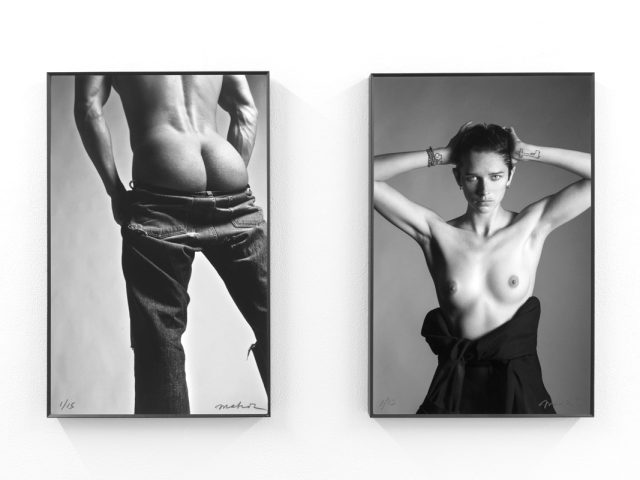
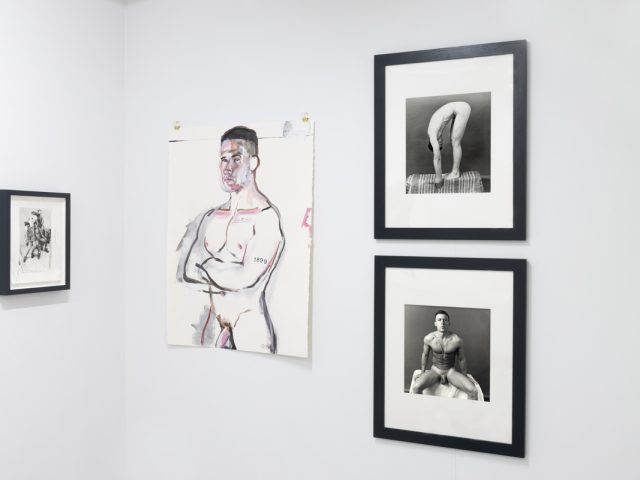
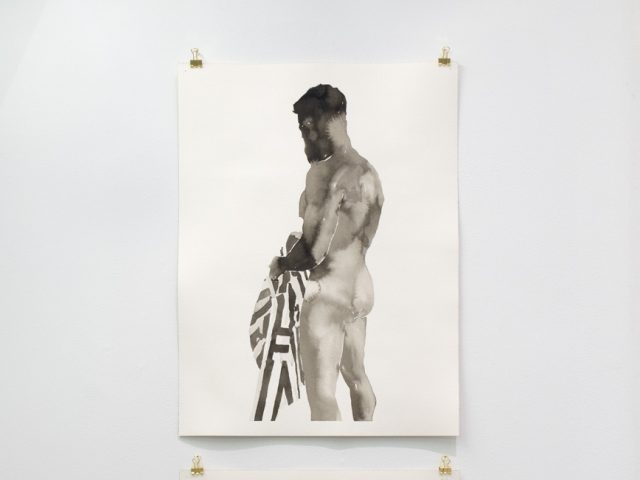
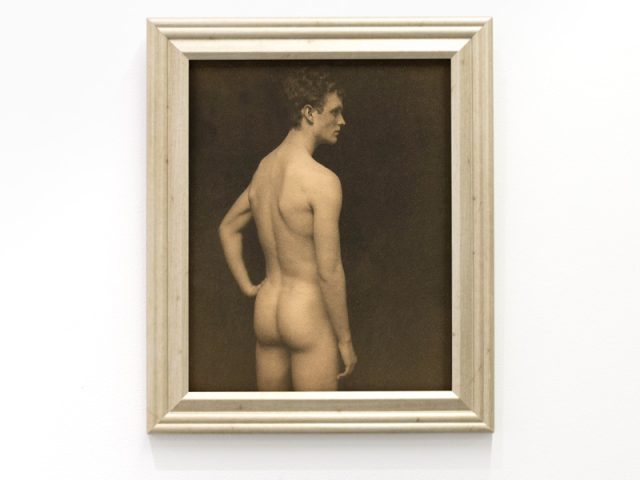
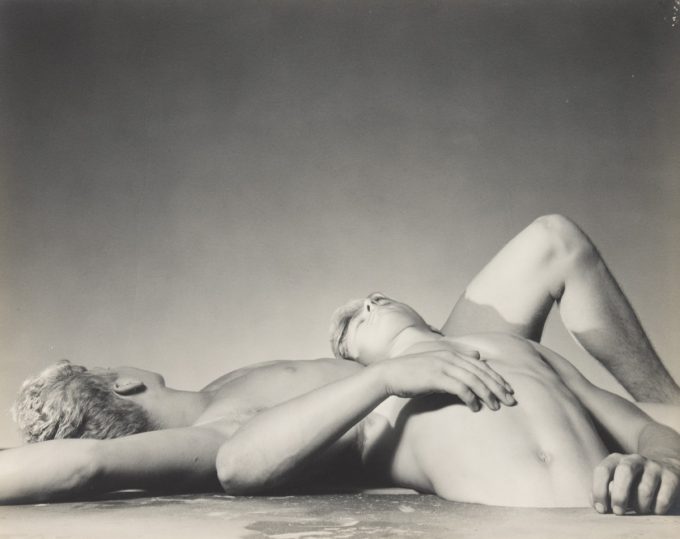
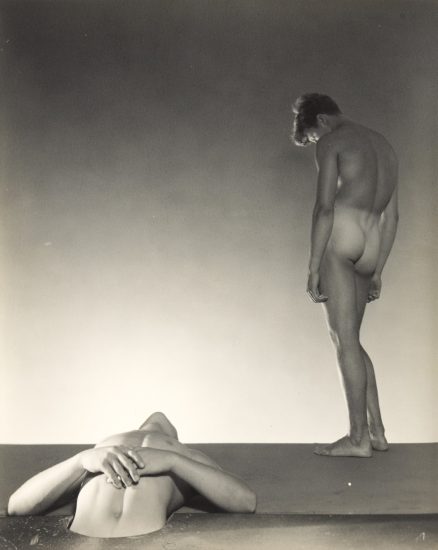
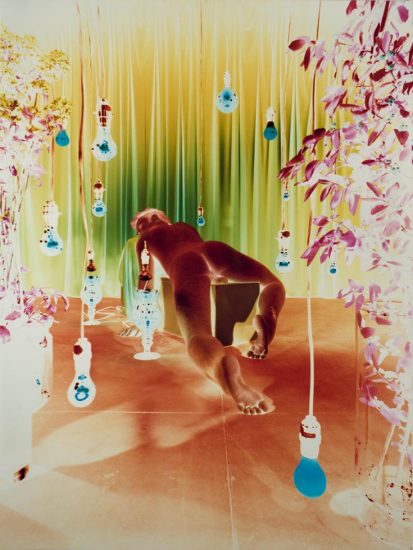
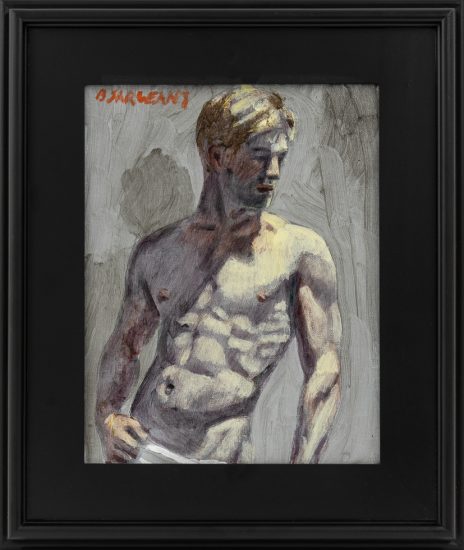
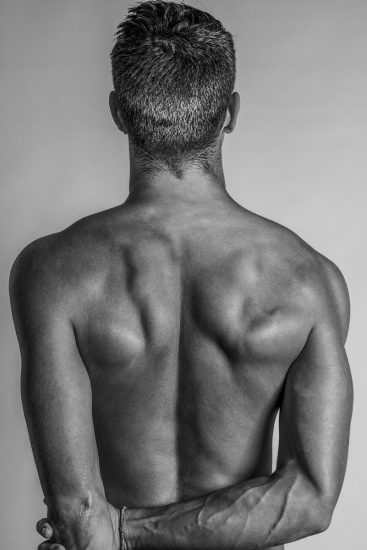
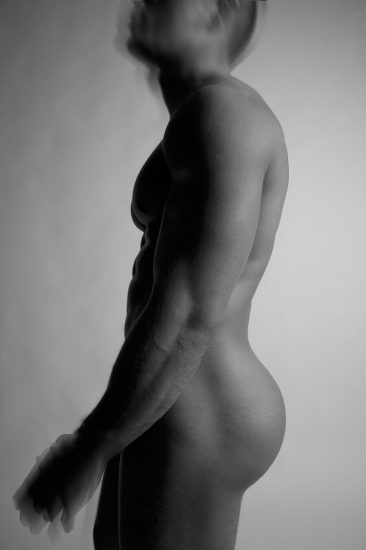
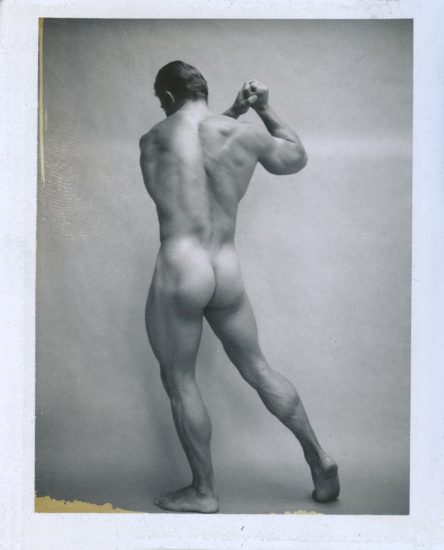
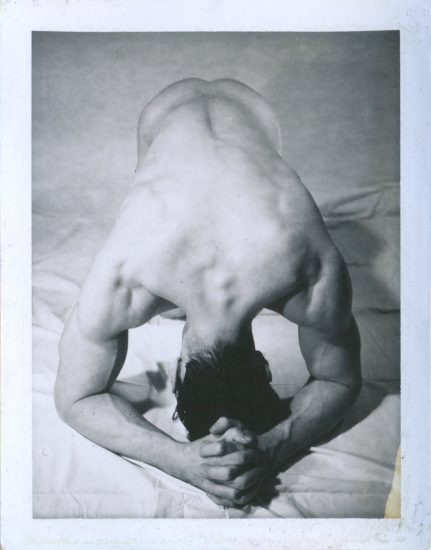
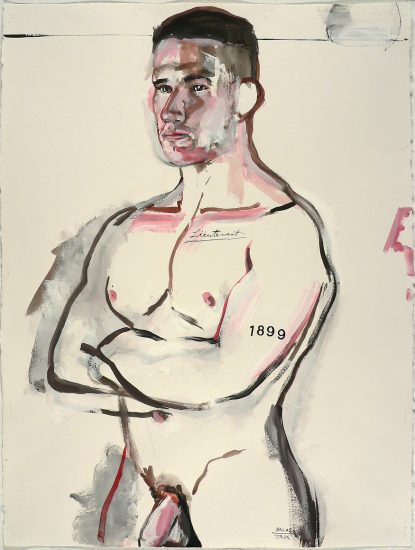
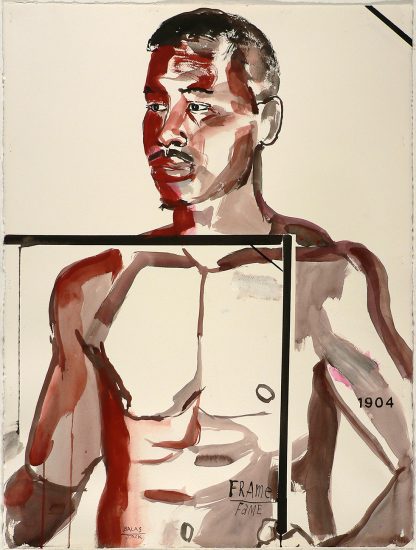
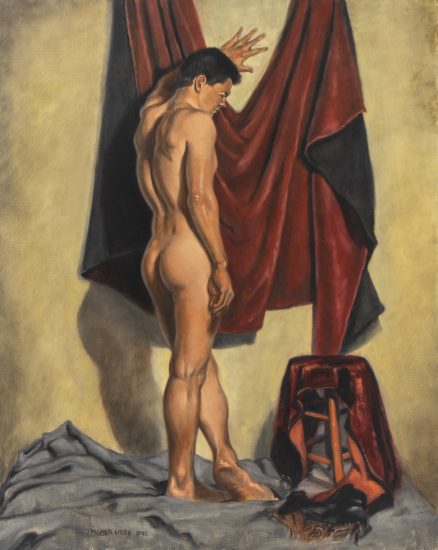
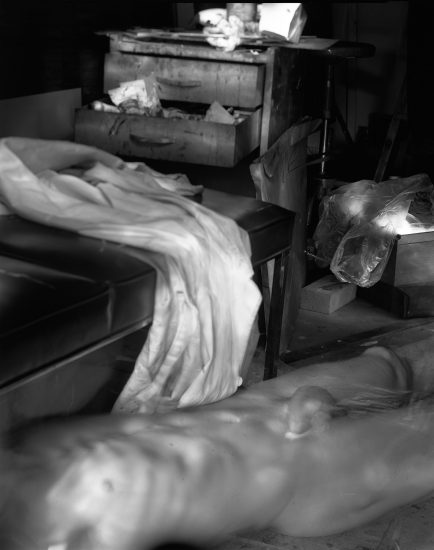
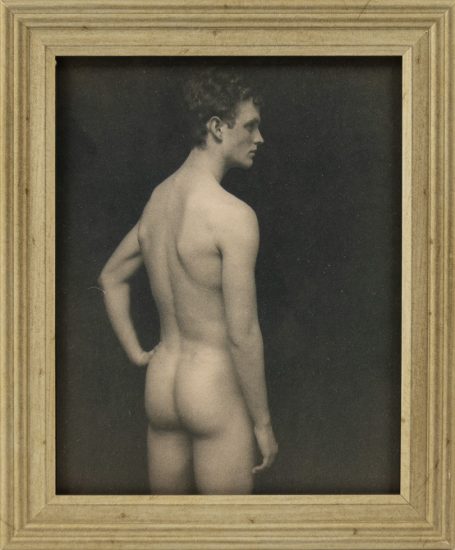
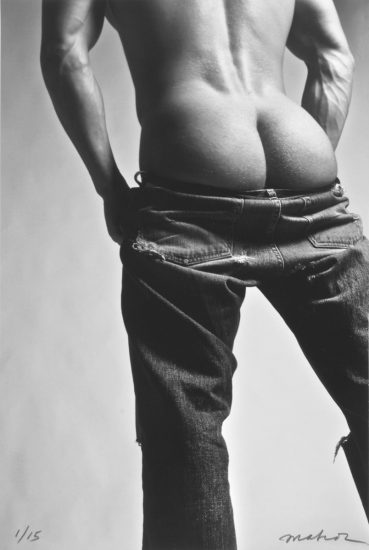
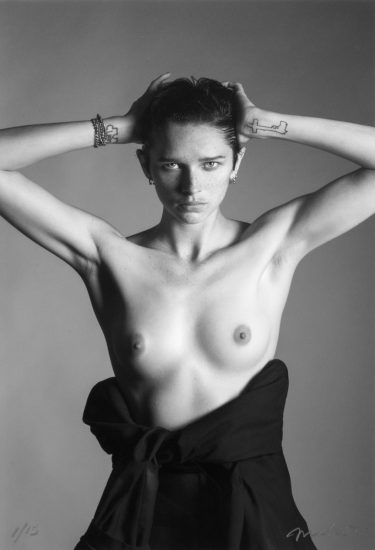
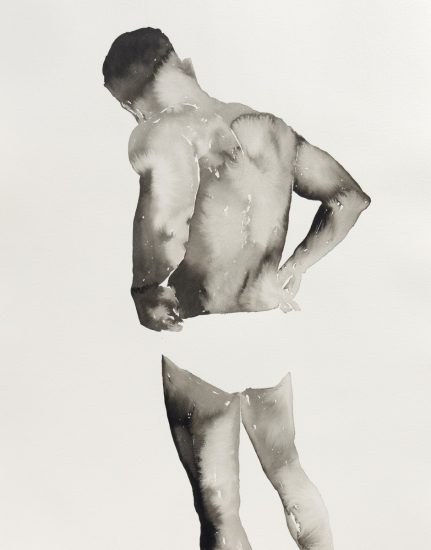
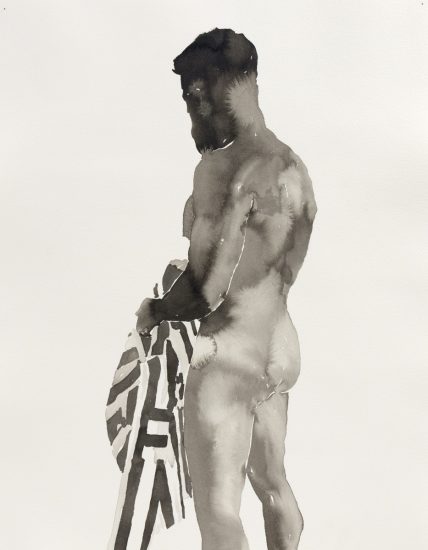
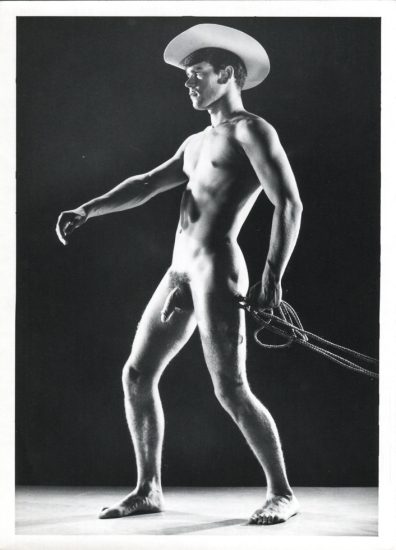
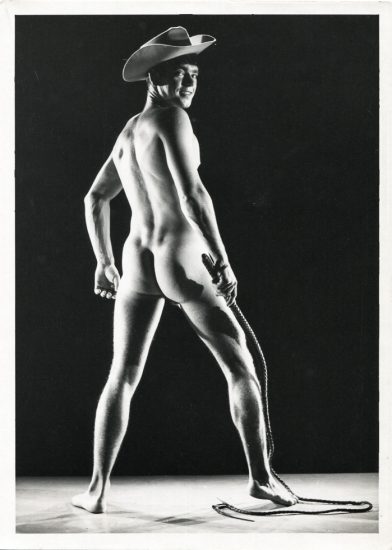
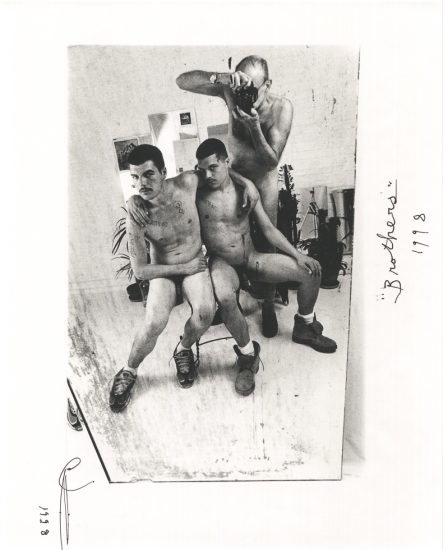
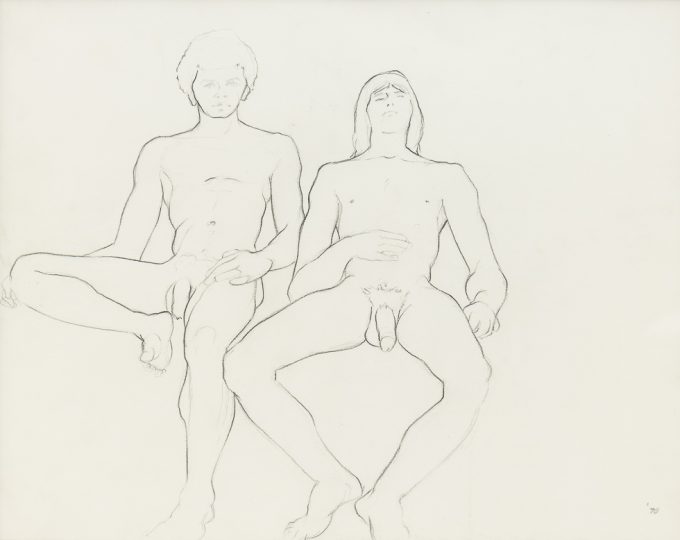
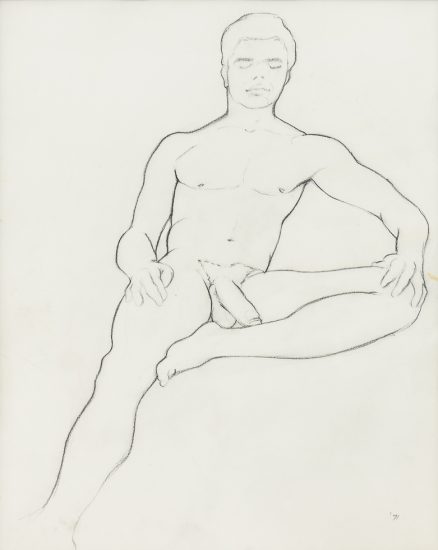
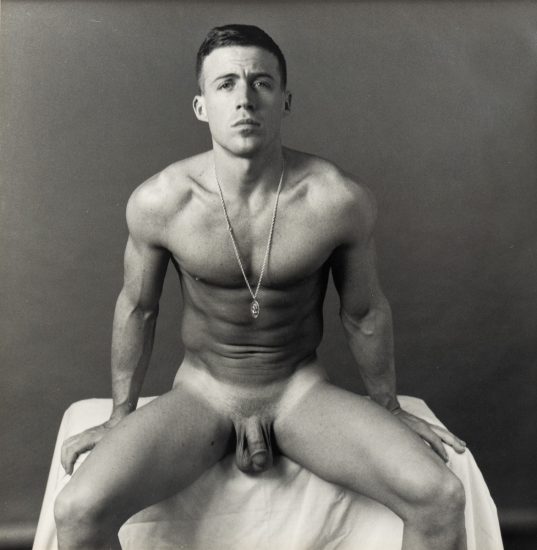
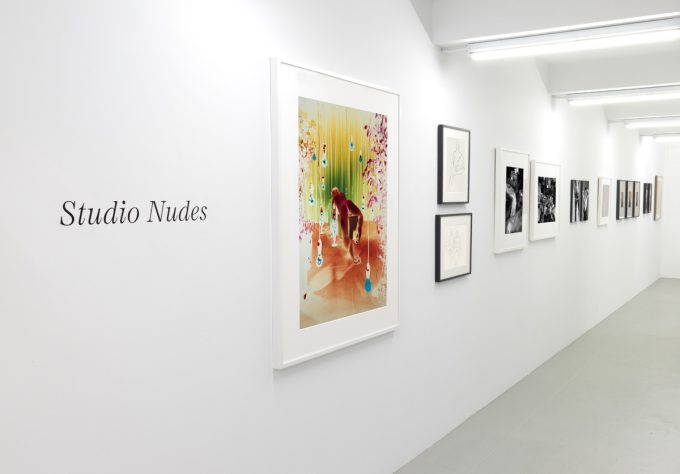
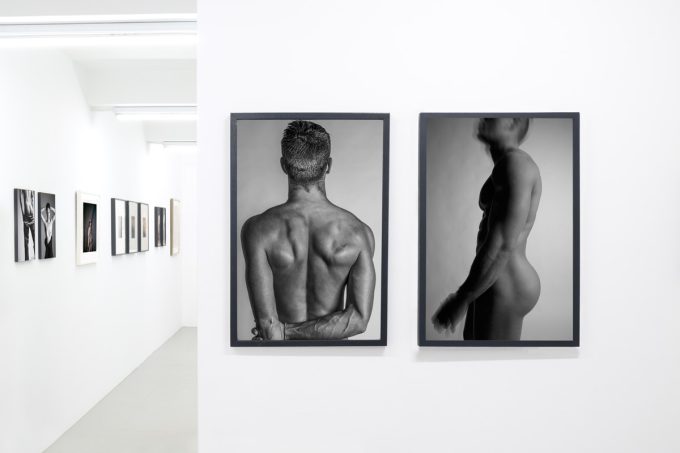
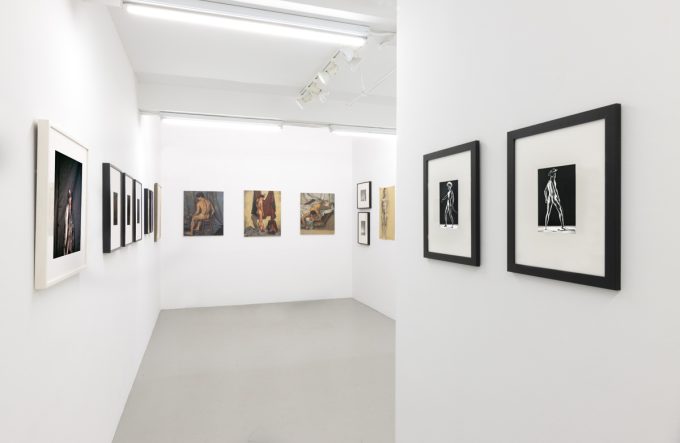
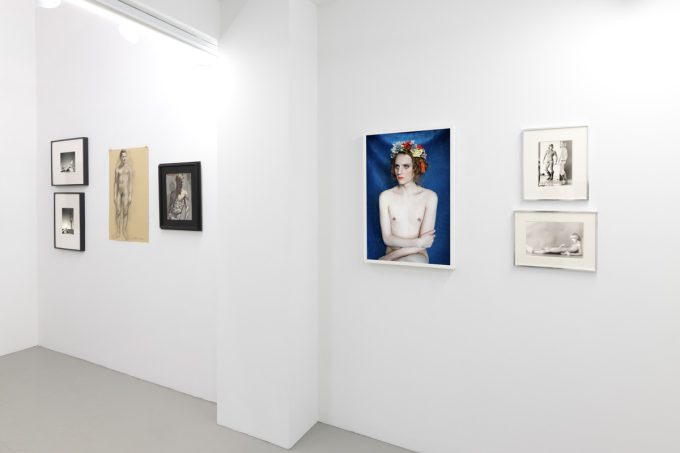
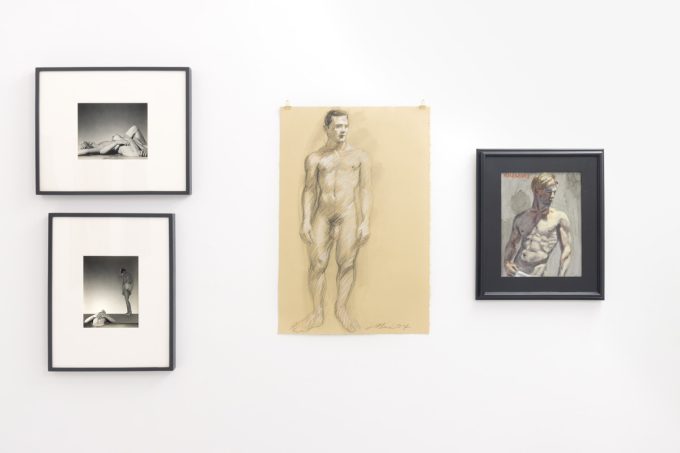
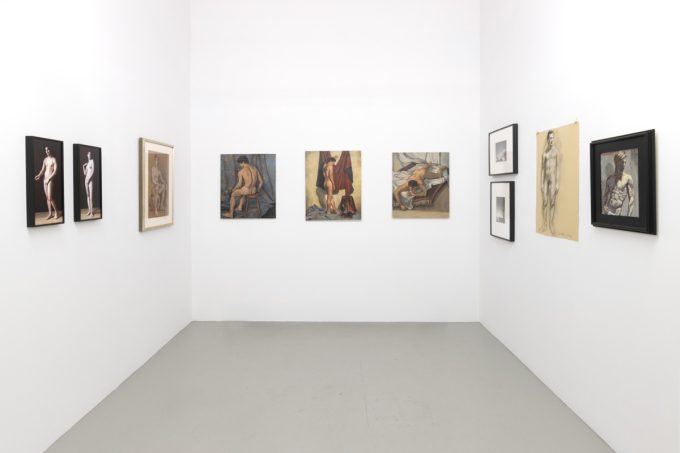
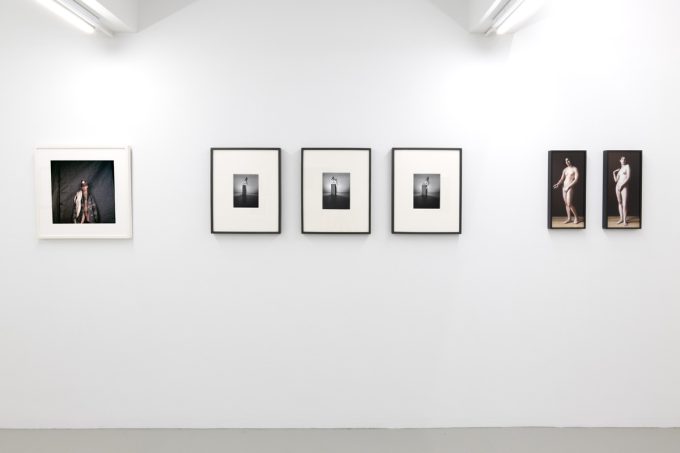
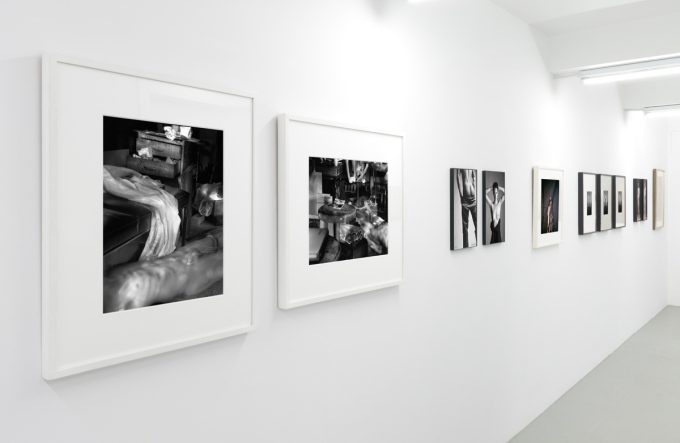
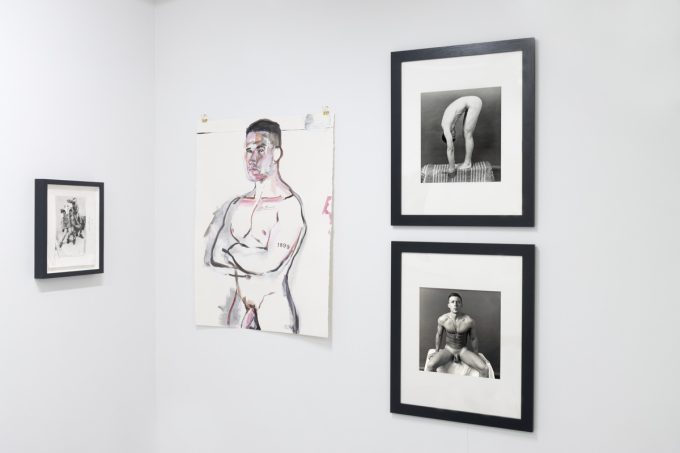
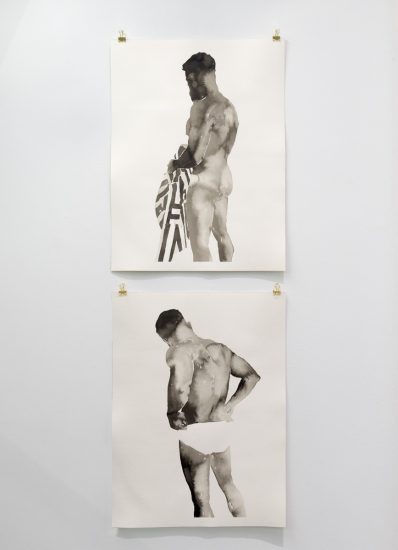
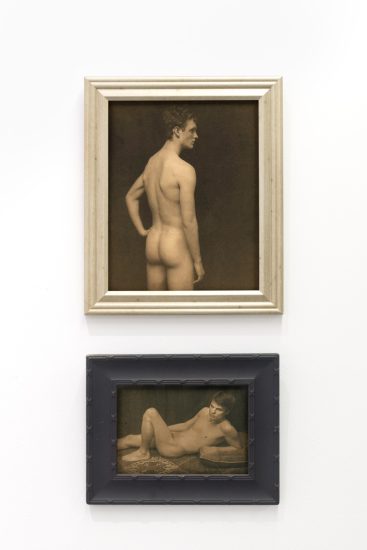
CLAMP is pleased to present “Studio Nudes,” an extensive group exhibition exploring artists’ use of live models in their work from the 1940s to the present. Bringing together an array of photography, drawing, and painting, the show investigates how modern and contemporary practitioners challenge, amend, and reframe classical artistic traditions.
The history of the studio nude in art spans from ancient academic practices to the current day. In Ancient Greece, the male nude was celebrated through athletics and sculpture, representing civic glory, heroism, and divine perfection. Conversely, during the Middle Ages, nudity was largely restricted and tied to theological concepts of shame, sin, vulnerability, or Last Judgment scenes. The Renaissance revived classical proportions, bringing male and female models back into the studio—though public display of the artworks required mythological, historical, or religious disguises to remain socially acceptable. By the 17th and 18th centuries, drawing live models became the core of formal artistic training. In the mid-19th century, Édouard Manet shattered standards of propriety with “Olympia” (1863), replacing the safe, distant mythical goddess with a real Parisian sex worker staring defiantly at the viewer, sparking massive public outrage. This opened the path for raw, unidealized nudes stripped of all pretexts, allowing modern artists to use the life-model studio setup for their formal experiments with composition, color, and form.
“Studio Nudes” features artworks from the mid-20th century to the present that engage with these historic antecedents. Mapping a clear lineage from formal mid-century Modernism to subversively charged contemporary works, the exhibition organizes the artists into distinct thematic and stylistic dialogues:
Historical Allusions
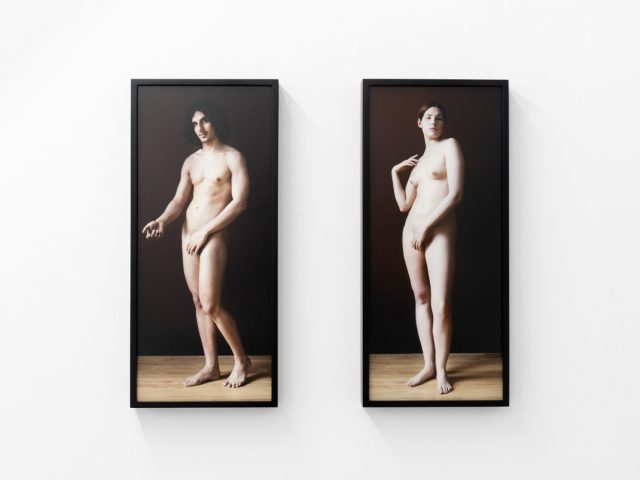
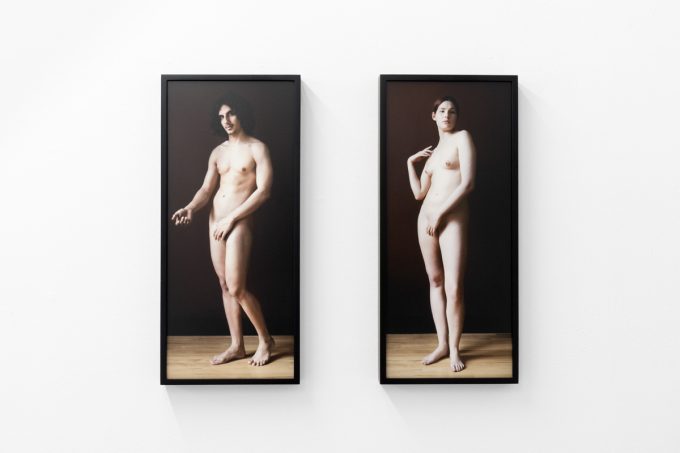
Shot in his home studio, Daniel Handal’s “Cranach Nudes” reference classical antiquity’s Greek and
Roman myths, along with religious subjects from the Renaissance. Similarly, Curtice Taylor’s cyanotype
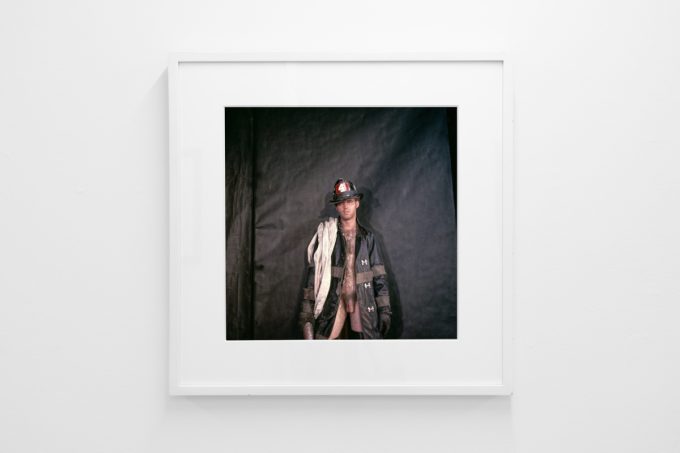
prints pay homage to late 19th-century Victorian depictions of the male figure. Robert Calafiore employs
custom, hand-built pinhole cameras to create large-scale, one-of-a-kind chromogenic prints. Also
inspired by classical Greco-Roman art, Calafiore photographs male nudes; his analogue techniques serve
as a deliberate step back from the endless flood and speed of digital technologies.
Modernist Foundations and Identity
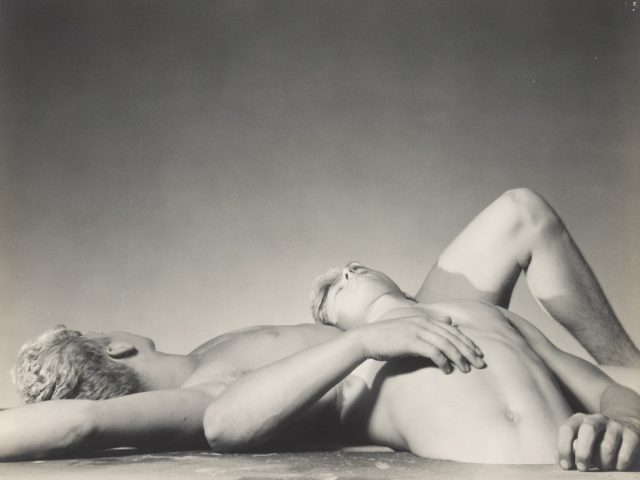
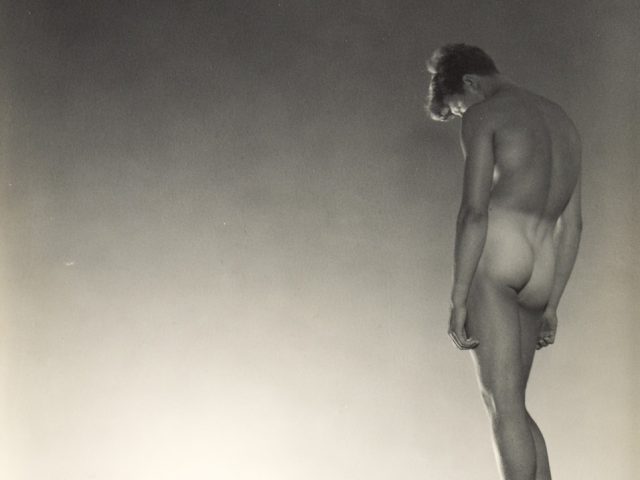
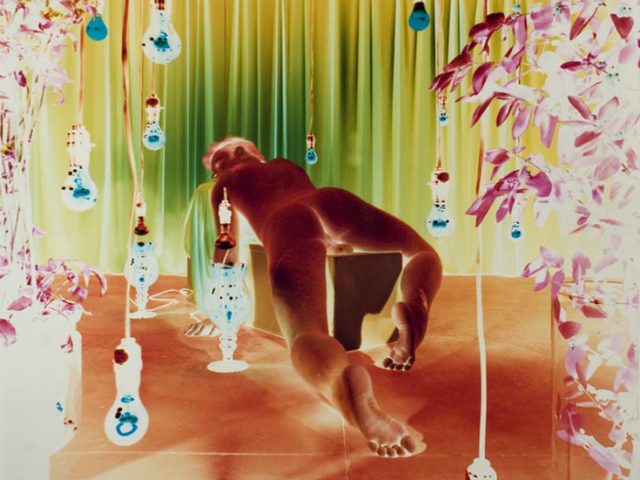
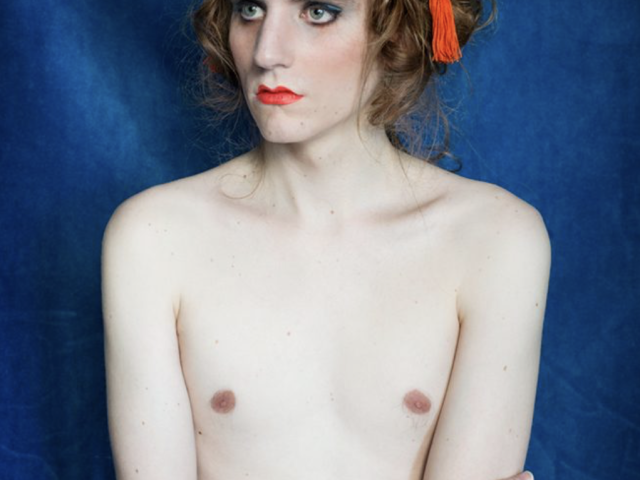
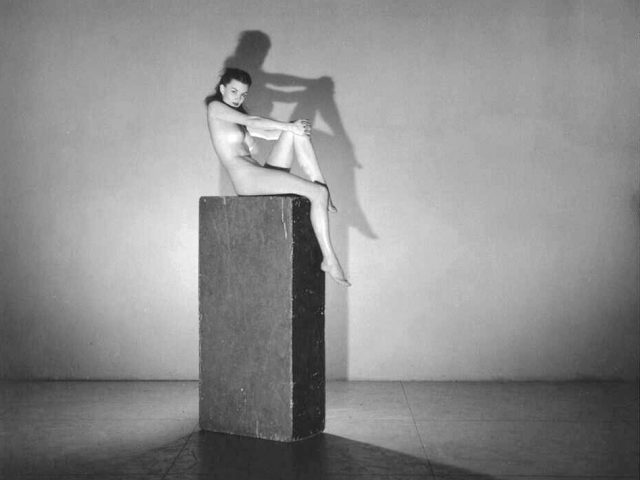
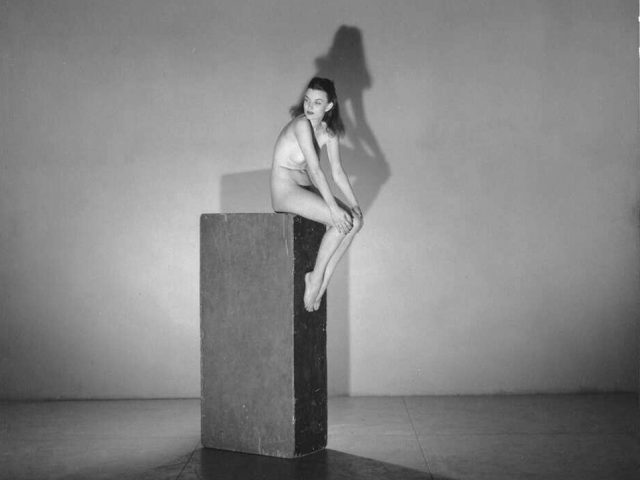
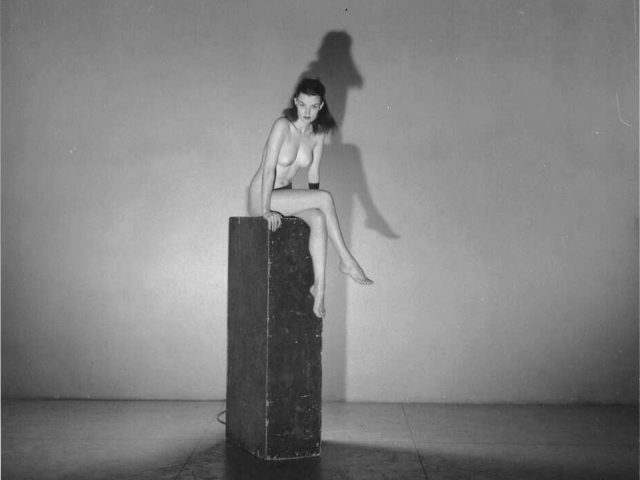
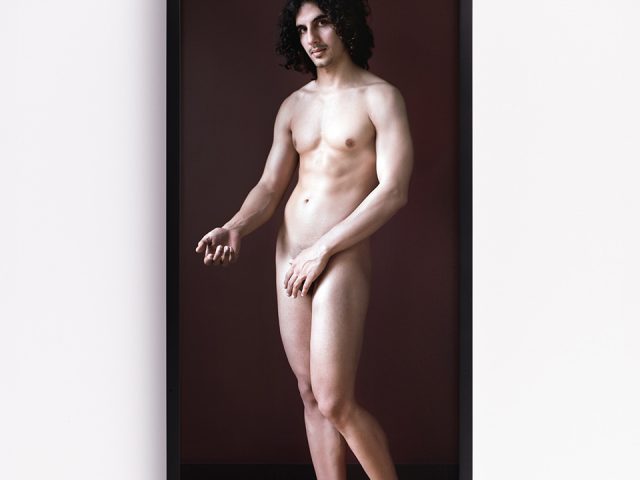
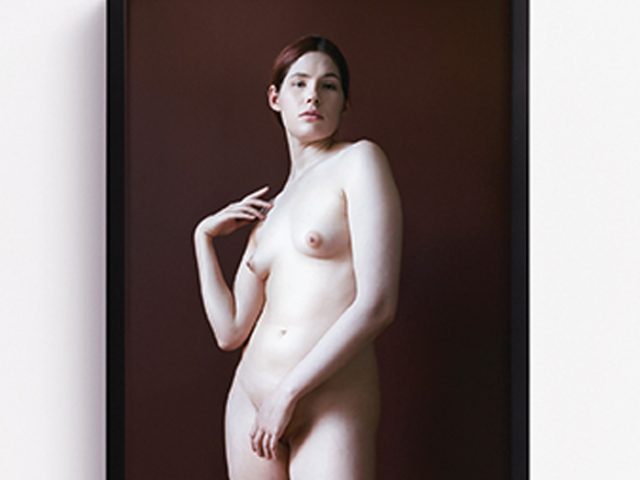
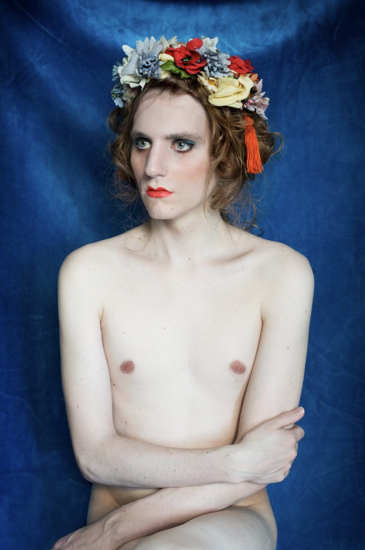
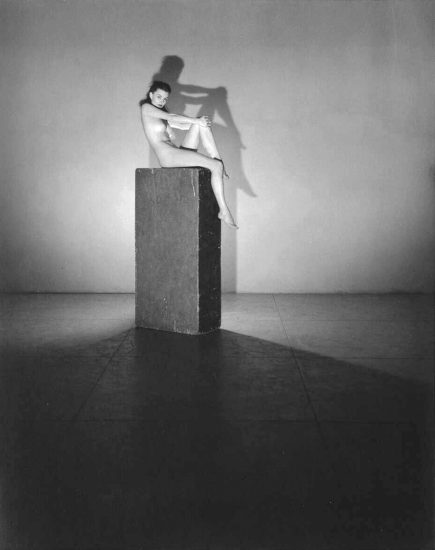
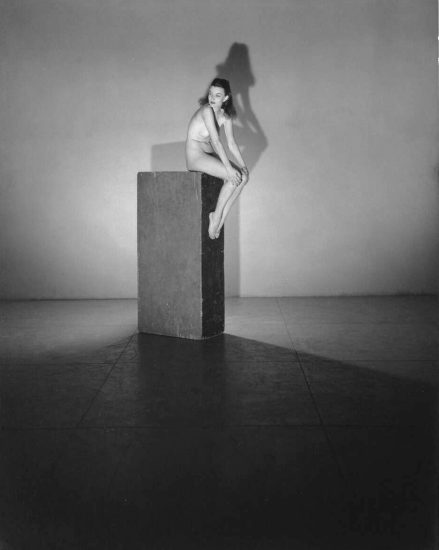
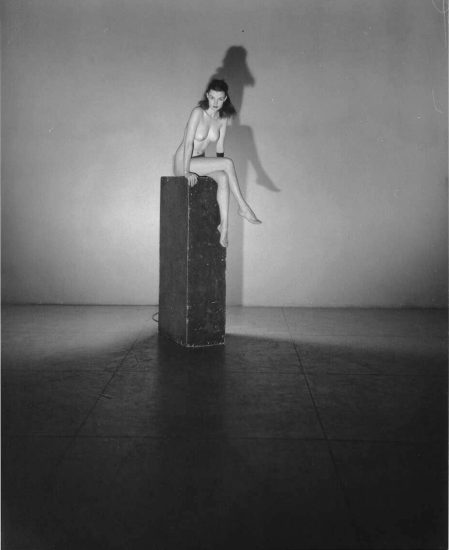
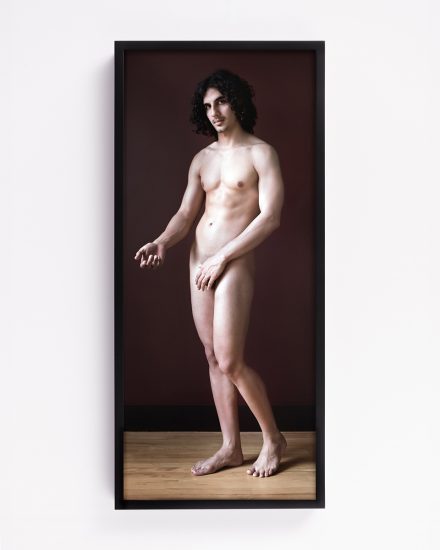
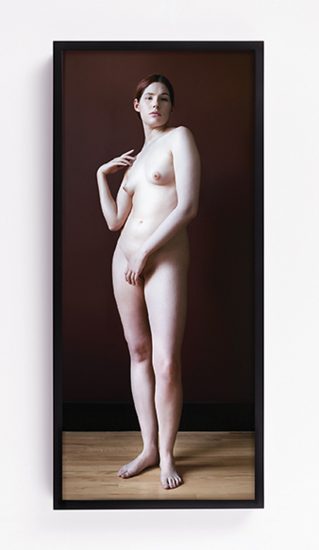
By the 1940s, George Platt Lynes’s photographs of male and female nudes were not only celebrations of the ideal form, but also bold, Modernist experiments in lighting and composition. Expanding on the studio portrait tradition to examine identity, Lissa Rivera’s images of her nonbinary romantic partner depict bodies historically underrepresented in art. And like Platt Lynes, her works function as exercises in color and composition as she deeply mines the history of 20th-century film, photography, and painting.
Academic Studies vs. Final Expressions
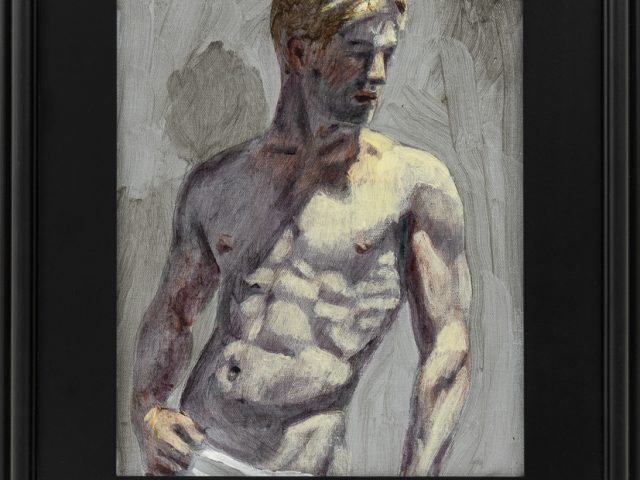
Studio studies from the nude figure by master draftsmen Paul Cadmus and later Mark Beard stand as
rigorous academic exercises originally created in preparation for tempera or oil paintings on panel and
canvas. In contrast, Jack Balas and Francisco De la Barra’s works on paper bypass the preparatory stage,
serving as the definitive, final forms of artistic expression in their own right.
The Self-Reflexive Lens
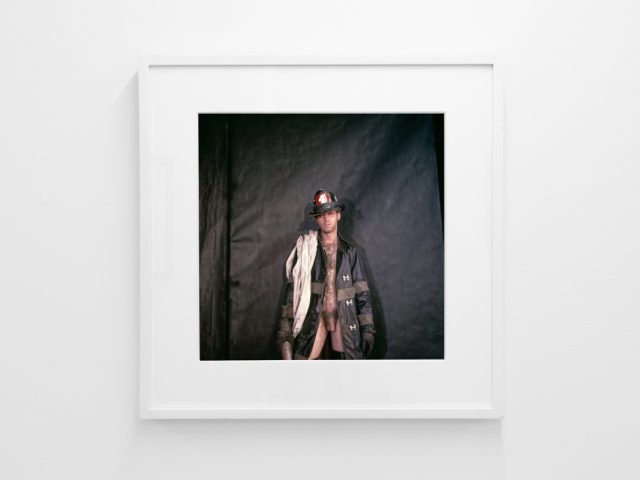
Breaking down the traditional boundary between artist and subject, Peter Berlin in the 1970s, Roberto
Bocci in the late 1980s and early 1990s, and Amos Badertscher for several overlapping decades, turned
the lens on themselves, staging their own bodies as models of interest.
Contemporary Provocations
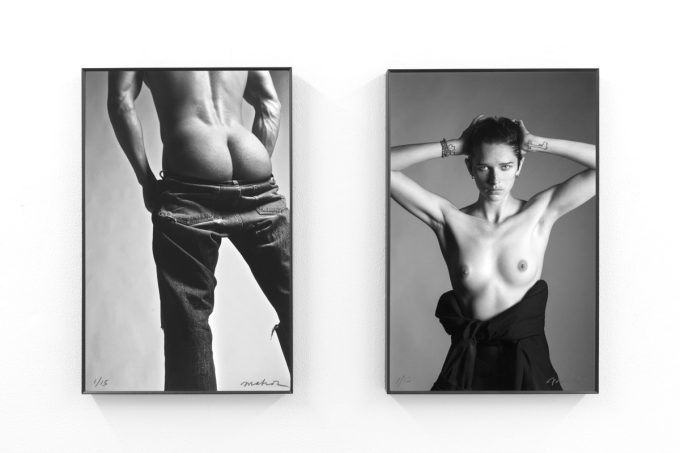
Modern and contemporary practitioners such as James Bidgood, Bruce of Los Angeles, Jim French, John
Button, Victor Carnuccio, Christopher Makos, and Paul Solberg reframe the conventions of the studio
nude. Infusing raw energy and sexuality into expressive artworks from the past fifty years, these cross-
generational dialogues frequently incorporate themes of identity, bodily autonomy, and the legacy of the
artist-model relationship.
For more information and images please contact Brian Paul Clamp, Director, or see www.clampart.com.