

January 8—February 28, 2026
Artist’s reception:
Thursday, January 8, 2026
6:00 to 8:00 PM
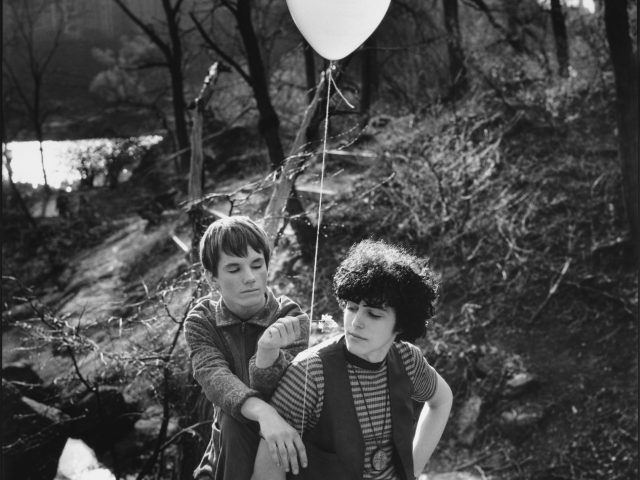
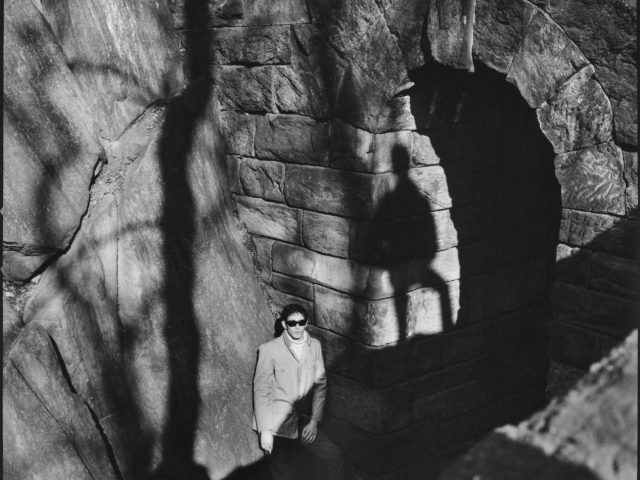
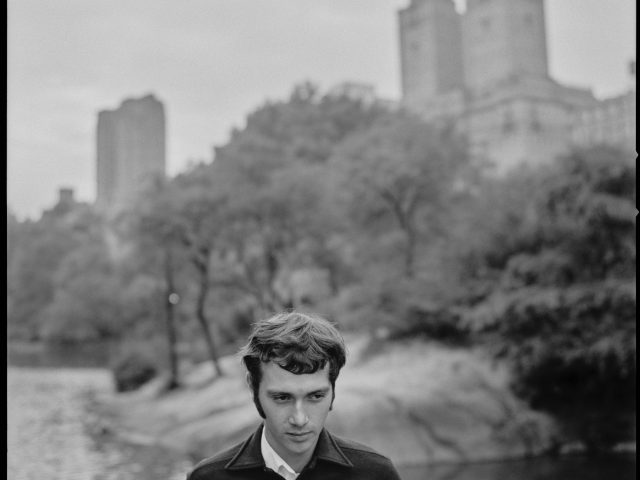
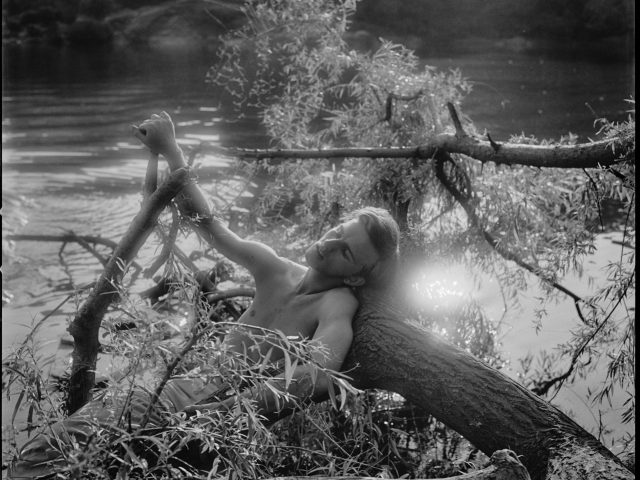
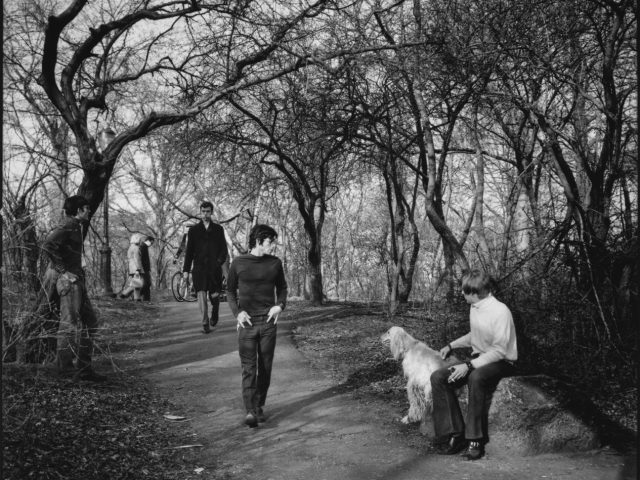
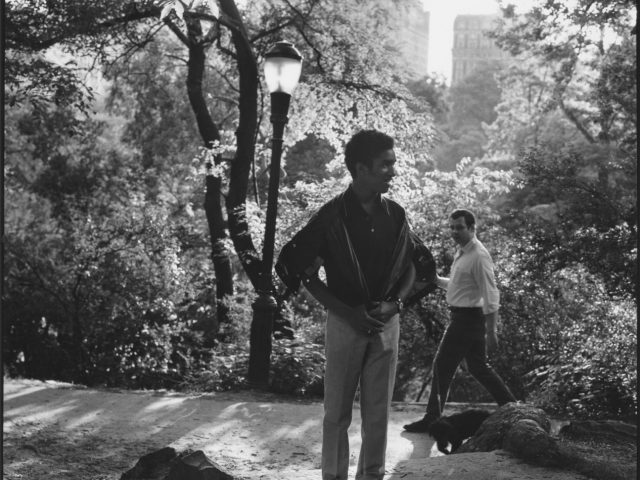
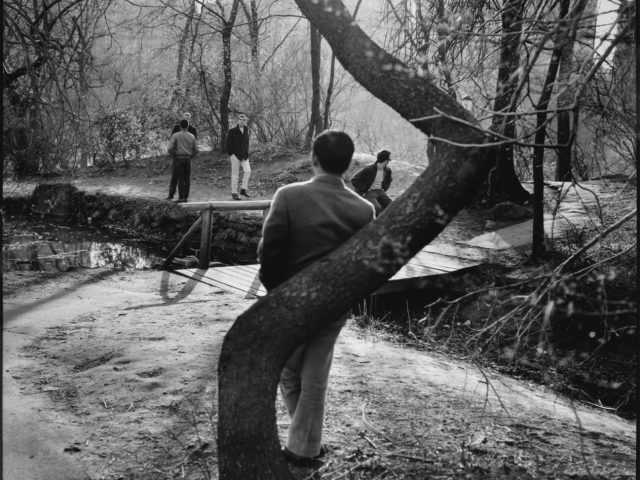
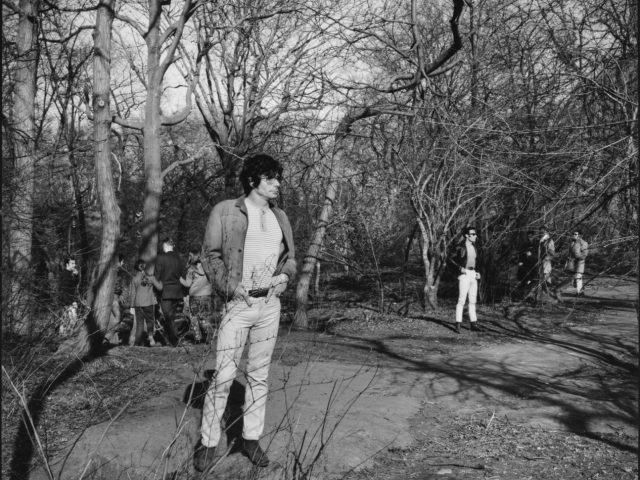
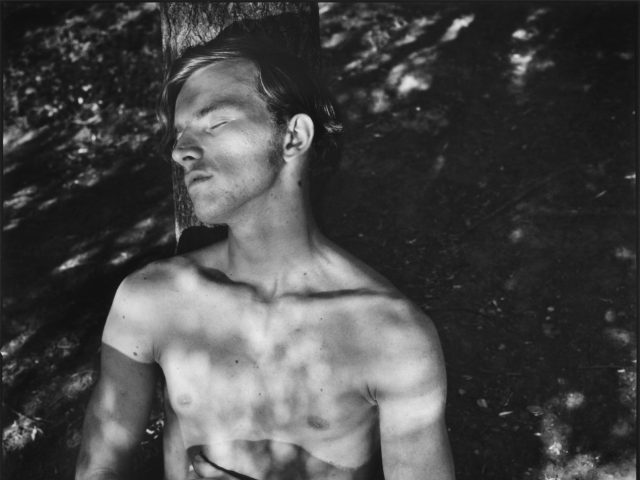
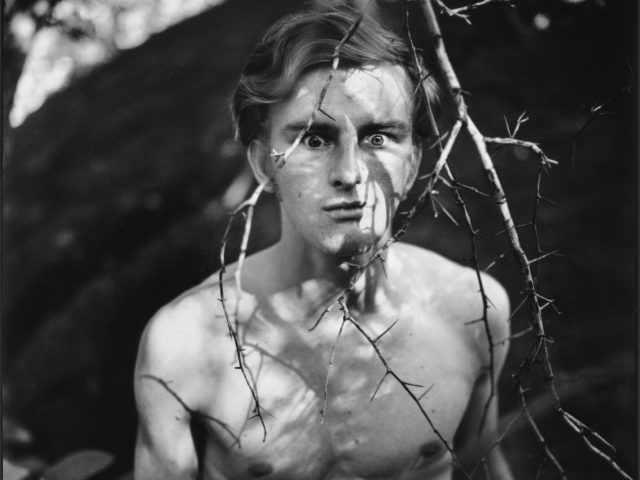
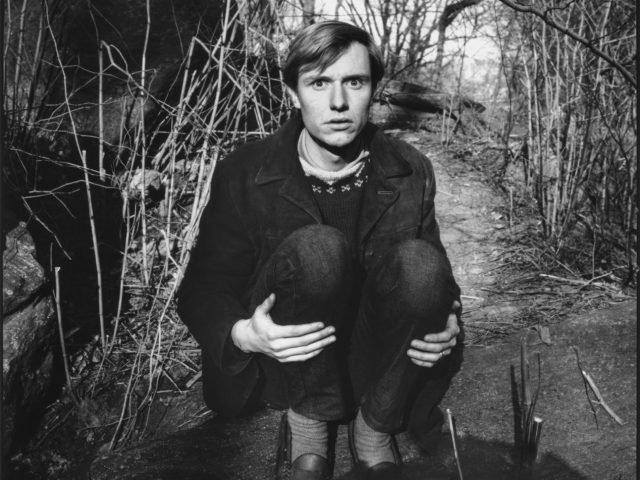
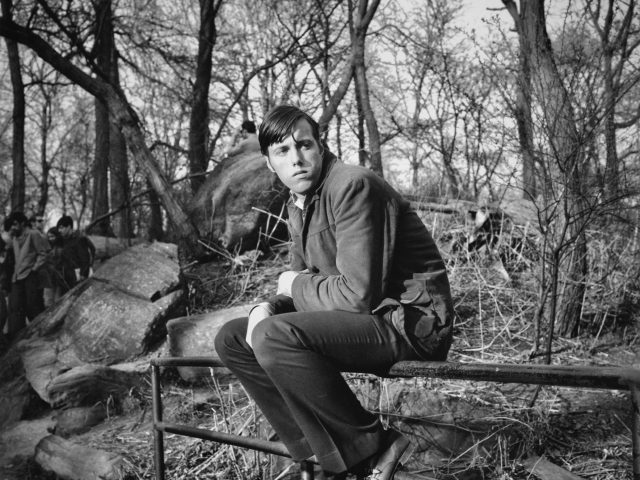
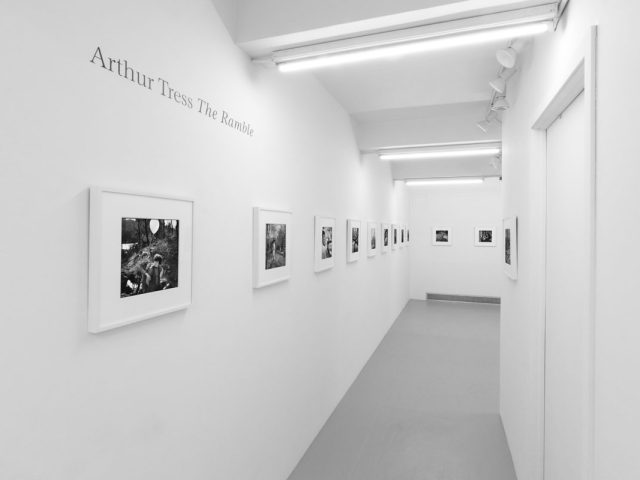
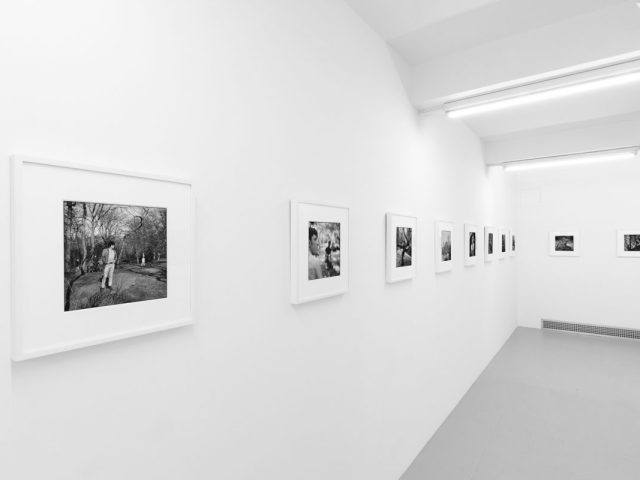
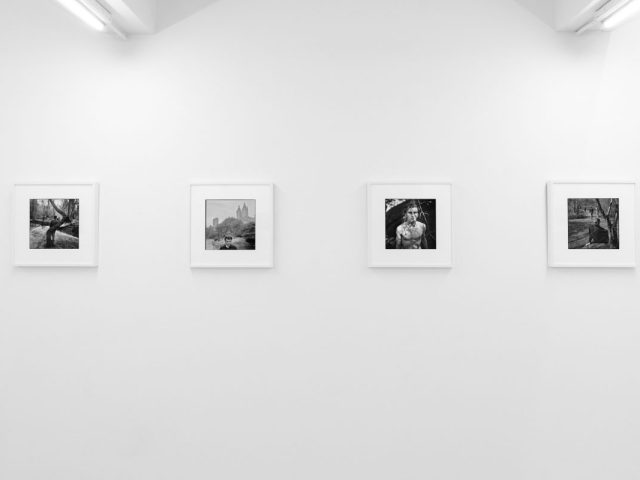
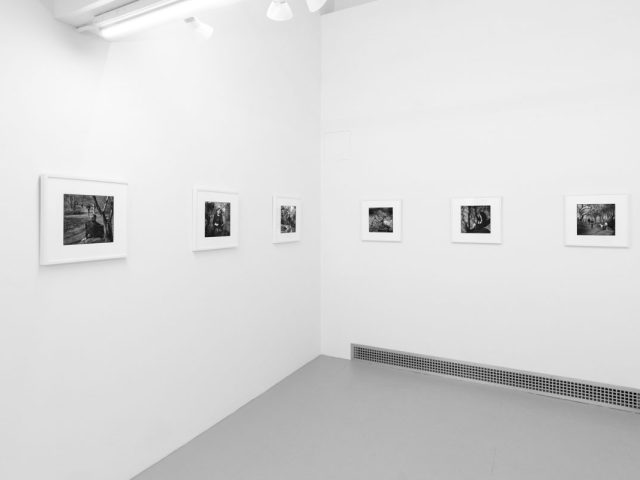
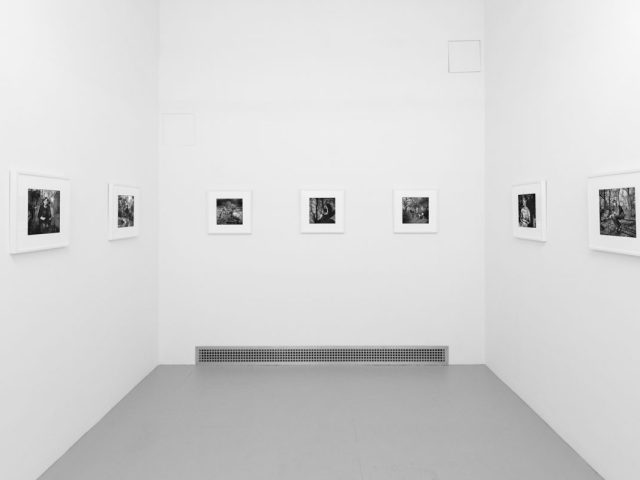
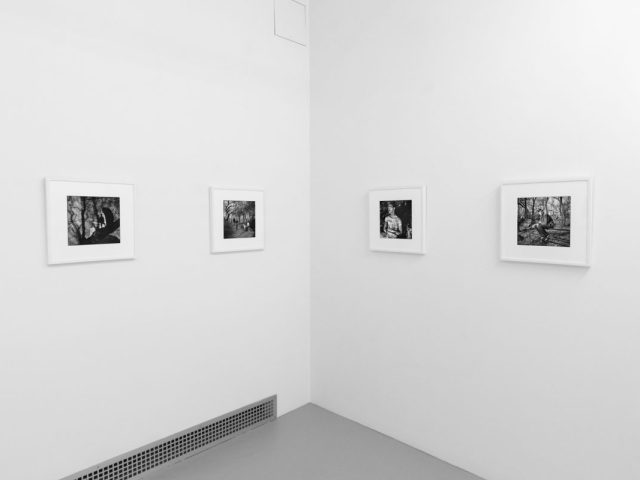
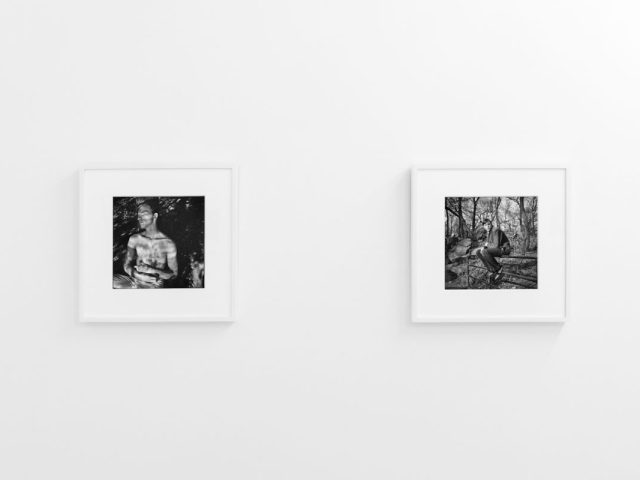
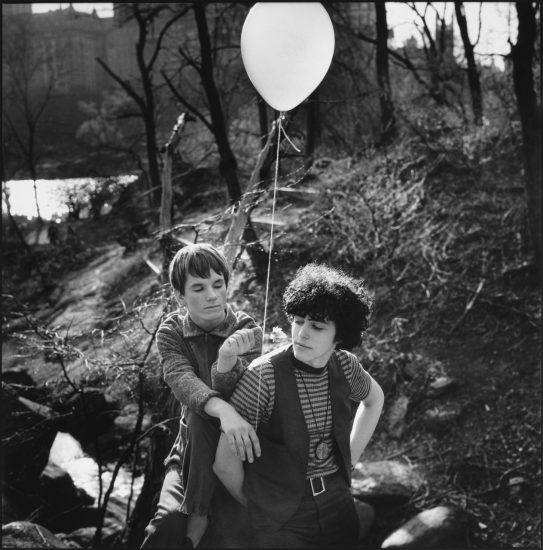
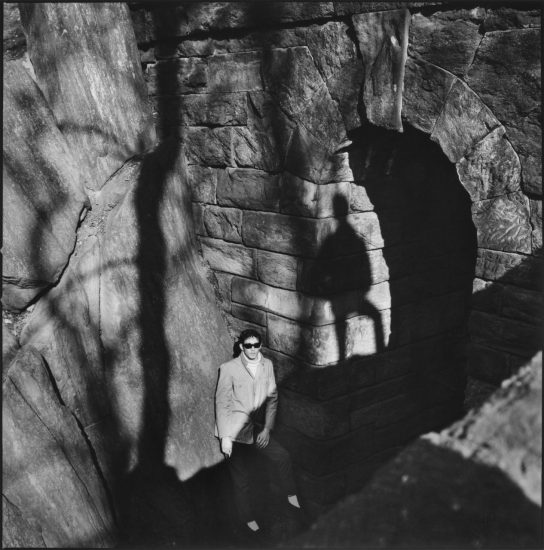
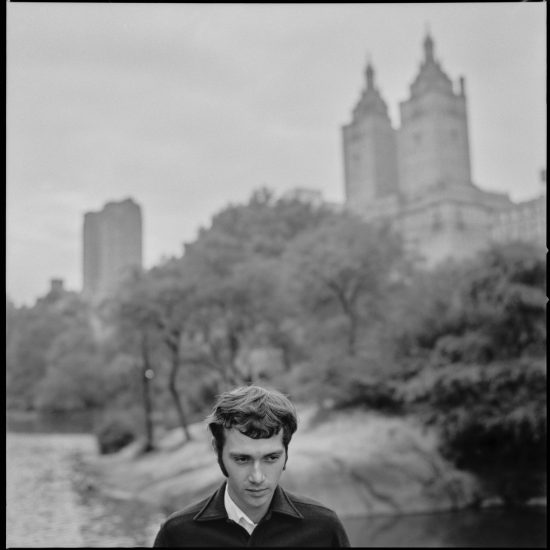
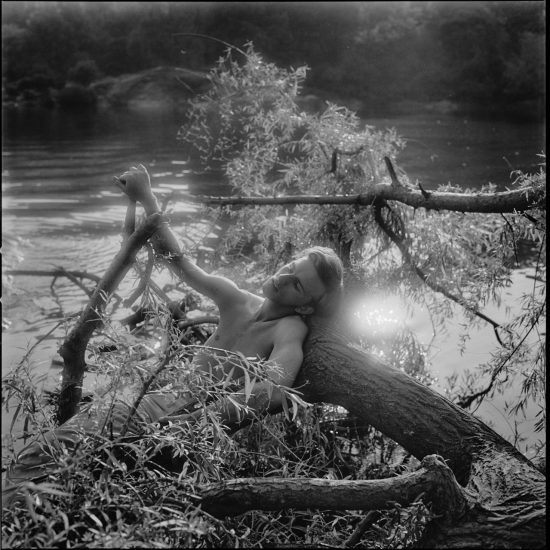
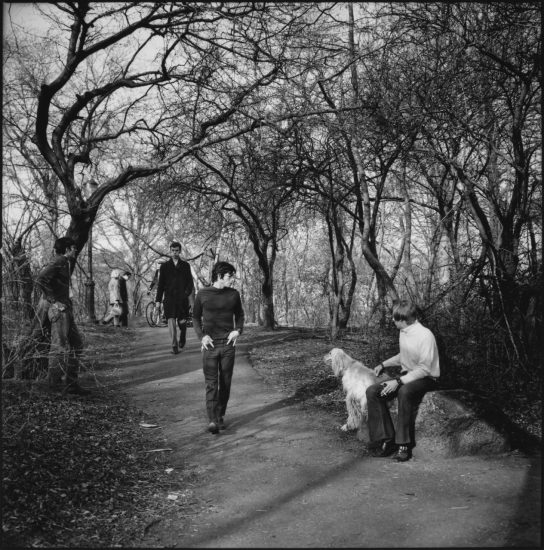
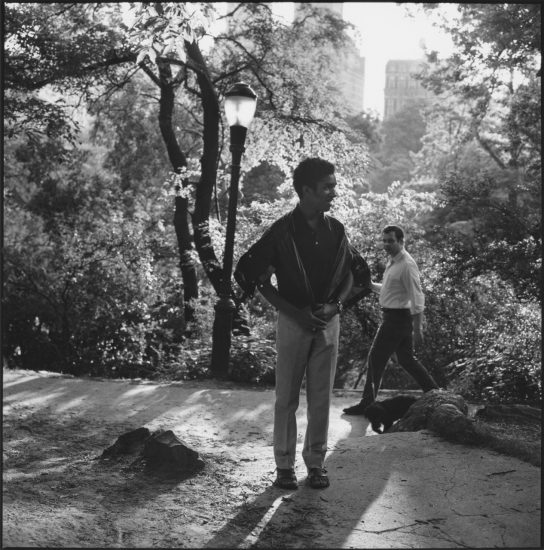
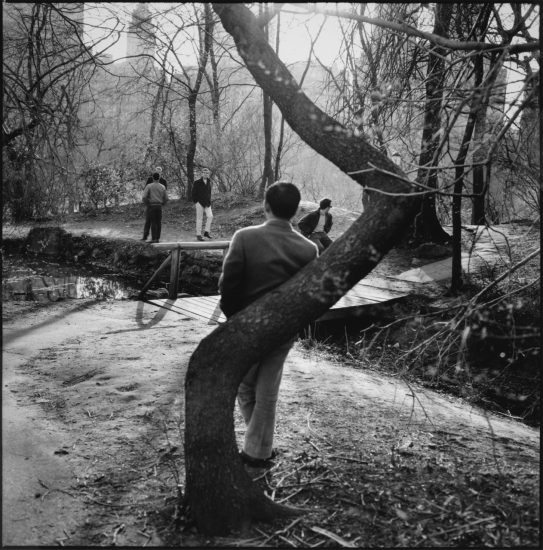
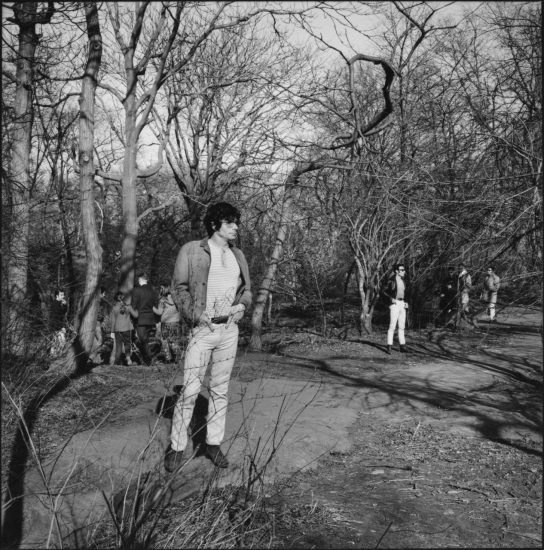
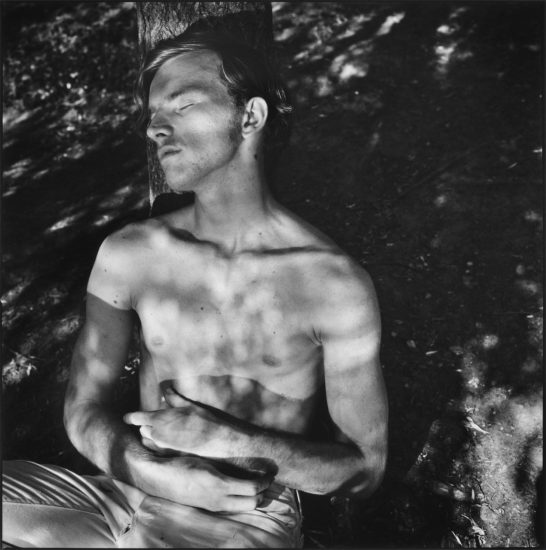
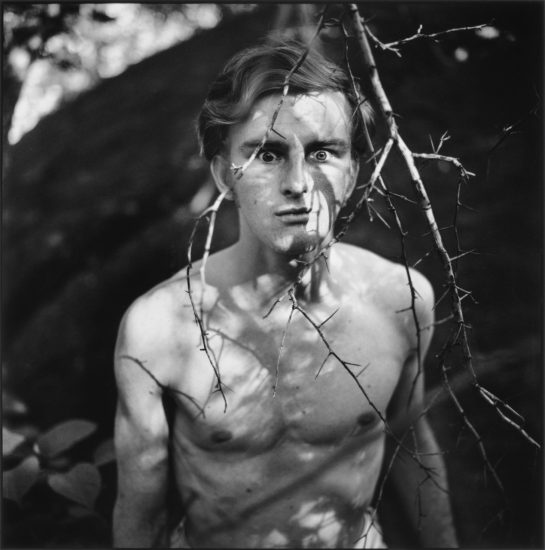
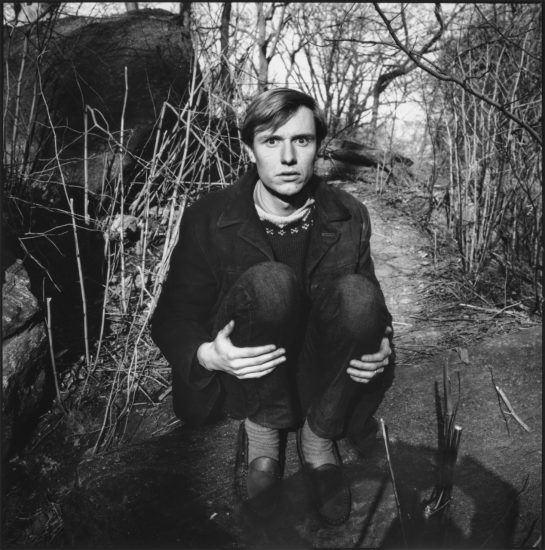
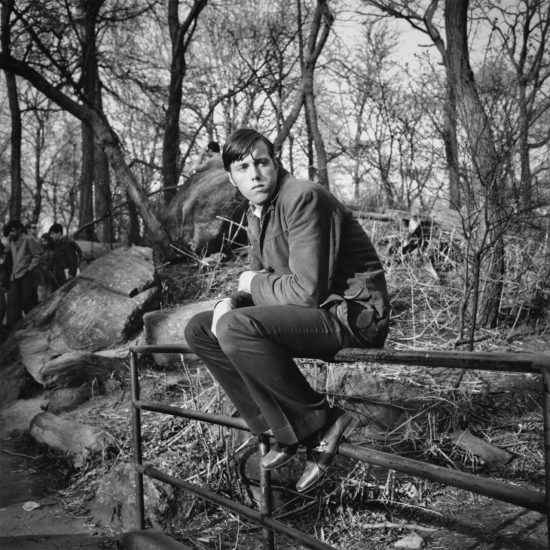
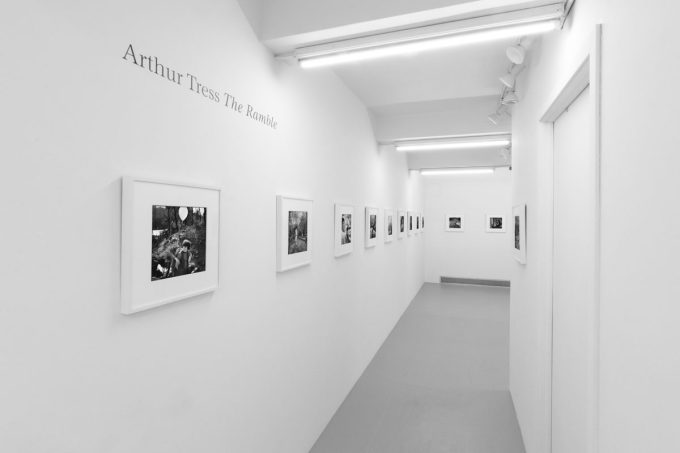
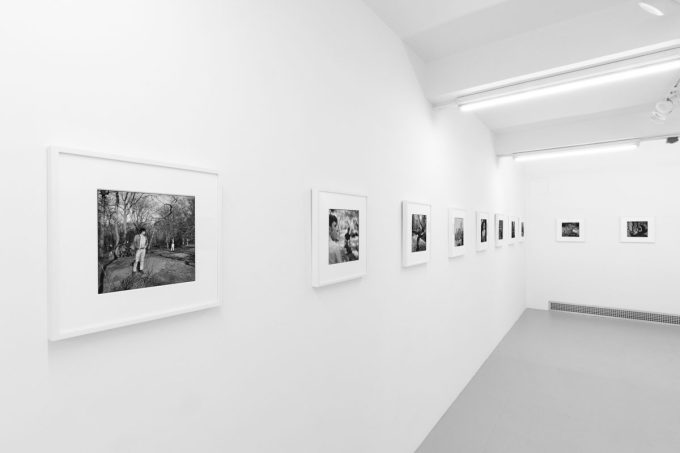
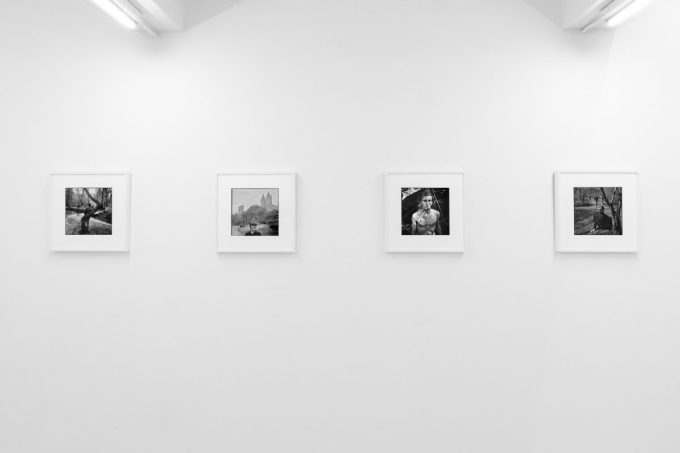
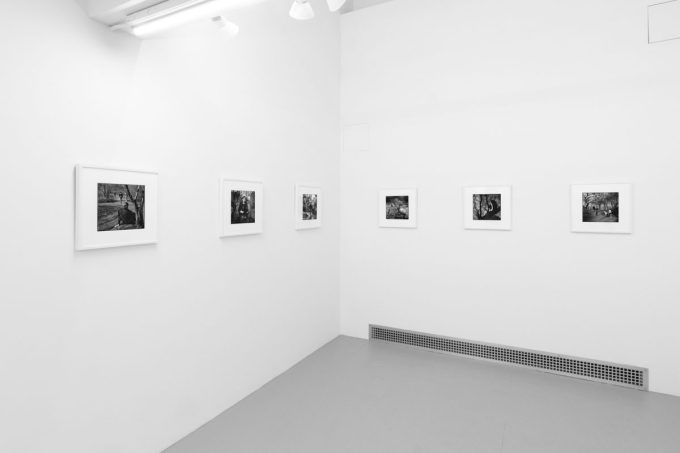
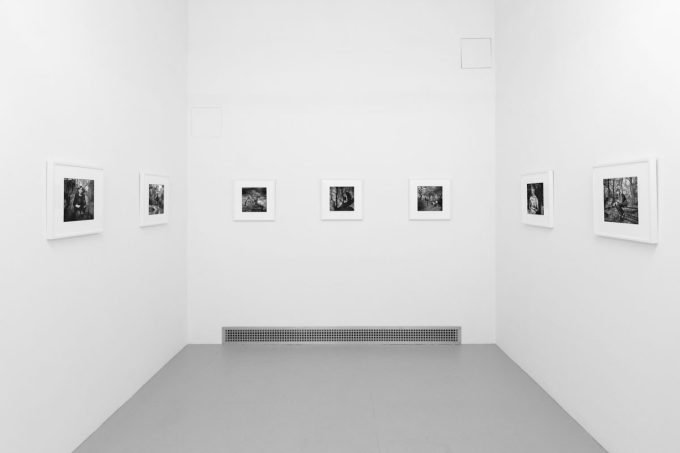
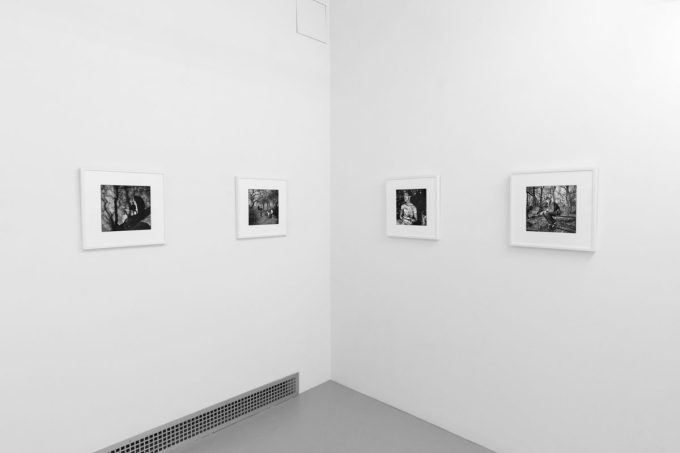
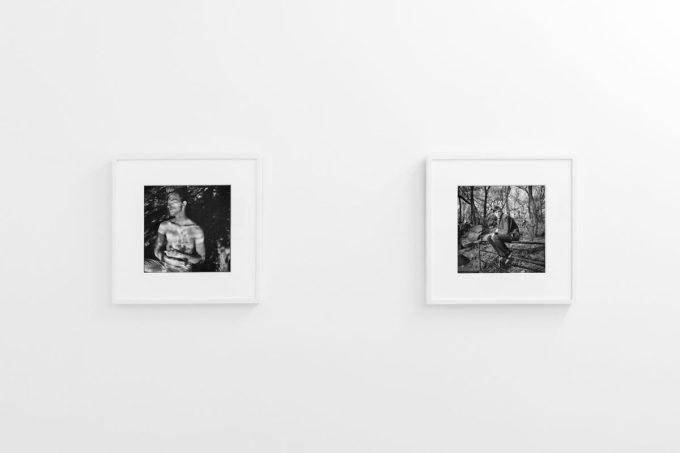
CLAMP is pleased to announce “The Ramble,” an exhibition of photographs by Arthur Tress, presenting a previously unseen body of work documenting a New York City clandestine queer space in the late 1960s.
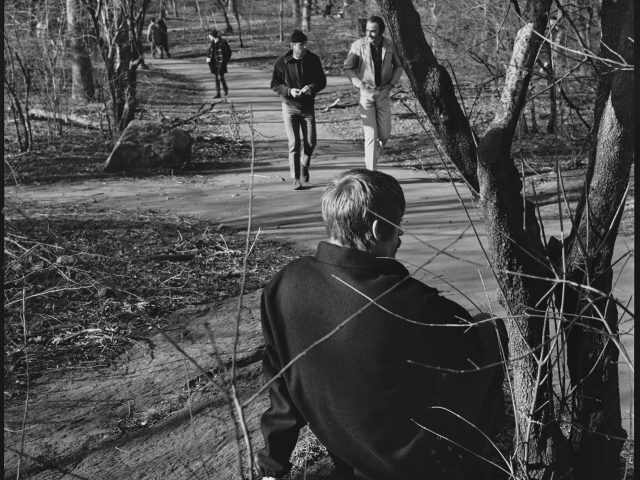
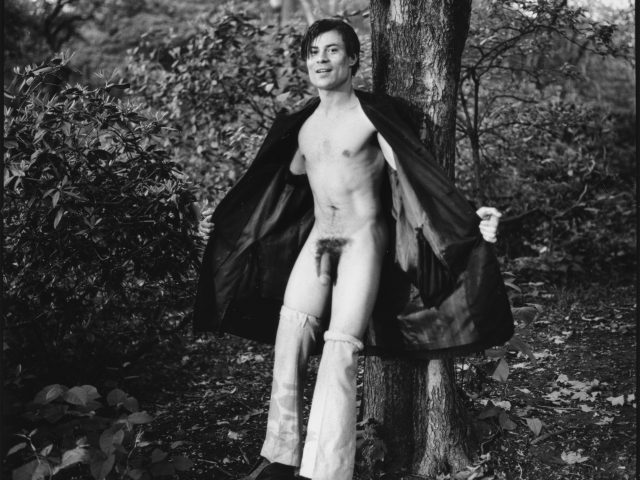
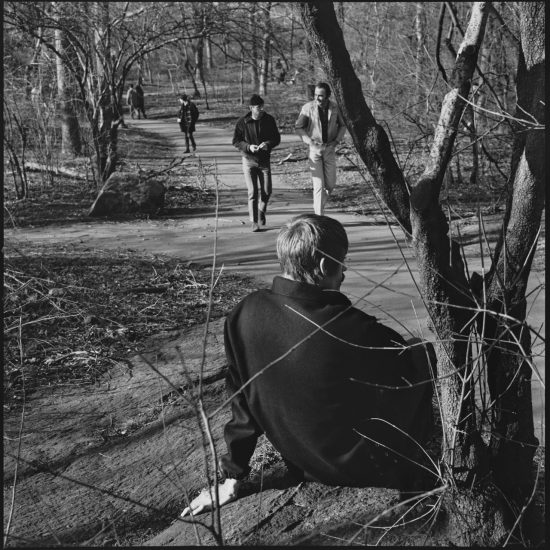
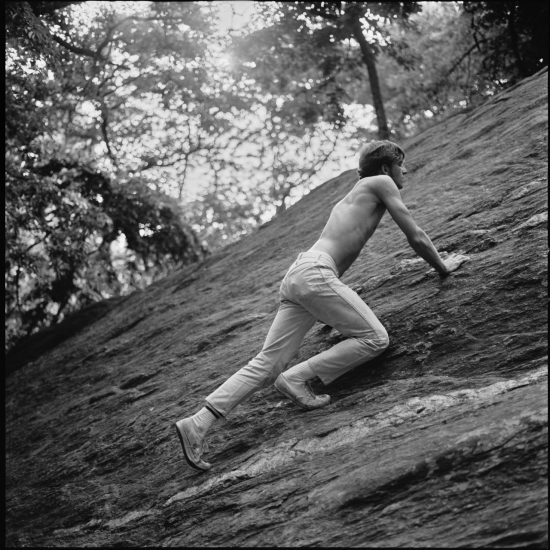
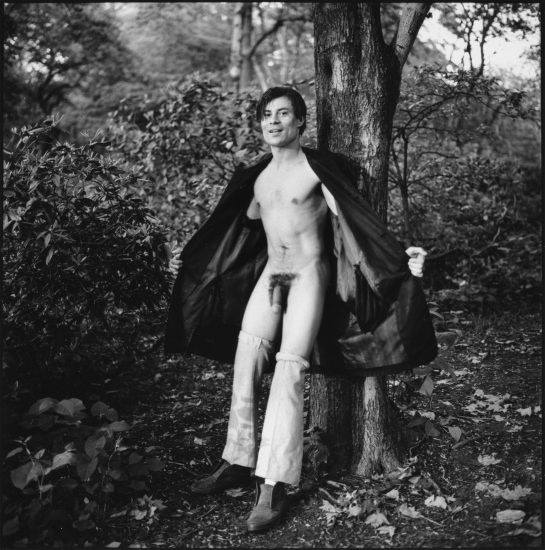
Toward the end of 1968, at the age of twenty-eight, Tress began bringing his Hasselblad camera to the Ramble, an overgrown, derelict woodland in the heart of Central Park that had become a discreet gathering place for gay men and queer people seeking social and erotic contact. Reflecting on the site in 2024, Tress remarked: “It was like a decaying pier in the city. I was always attracted to that kind of urban neglect.”
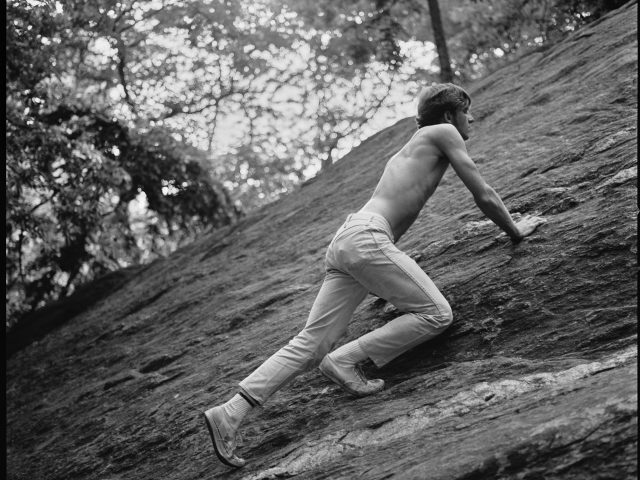
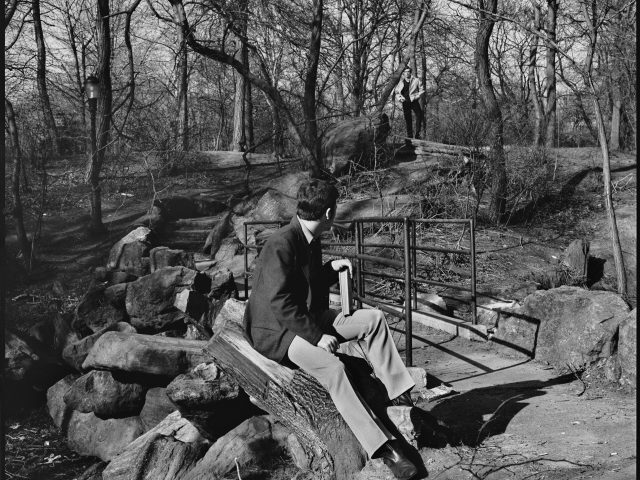
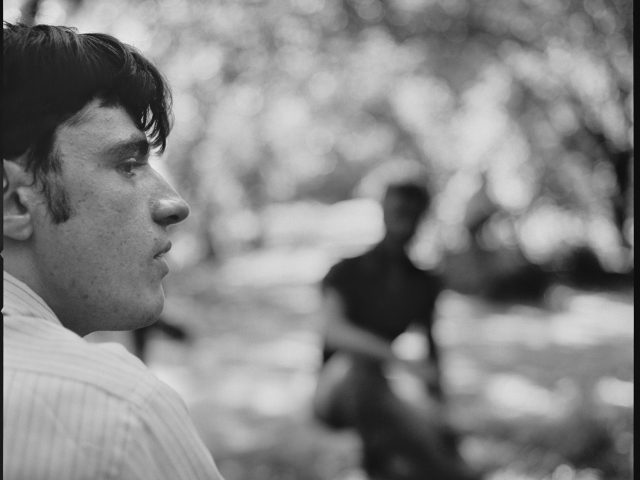
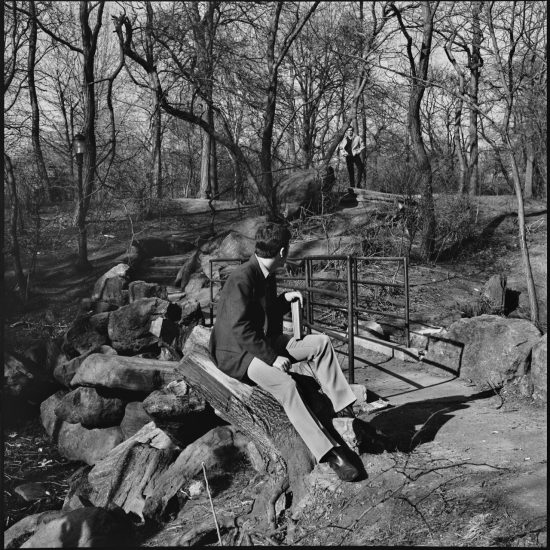
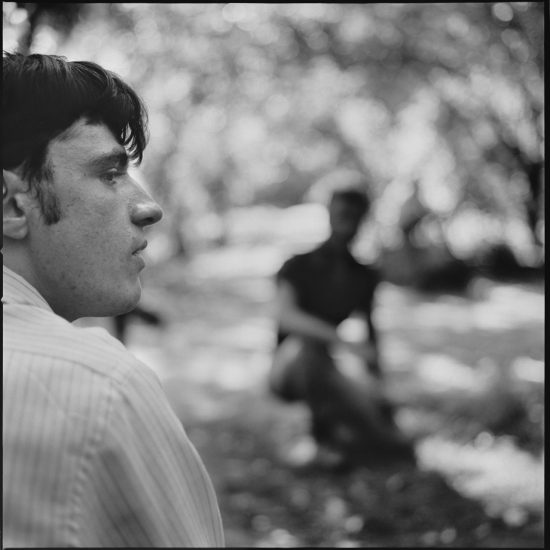
From his apartment on 72nd Street and Riverside Drive, Tress could reach the Ramble in ten minutes, often passing through on his way to professional appointments or museum exhibitions in the city. The site became both subject and backdrop for Tress’s parallel projects, including “Open Space in the Inner City,” a commissioned environmental portfolio, and a series of surrealist still lifes staged within the Ramble. His photographs from the Ramble range from surreptitious shots of men from a distance to carefully posed tableaux, exploring homoerotic fantasy, longing, and human vulnerability. As Tress explained in conversation with Jordan Tannahill: “I wanted to create a kind of poetic documentary that captured both the real and the imagined, the danger and the beauty of that hidden world.”
The Ramble series also reflects Tress’s ethnographic sensibilities. Having traveled in the 1960s to document the Maya, Sámi, and Dogon peoples, Tress approached this New York subculture with both intimacy and analytical rigor. He conceptualized the project in terms of societal critique, expressing an interest in acting as “the George Grosz of gay culture,” offering a sympathetic analysis of his own community while observing it as an outsider. (Tress studied life drawing with Grosz at the Art Students League in New York in 1961.) Jackson Davidow explains: “His intention . . . was not to romanticize cruising, but rather to treat it as a complex phenomenon of metropolitan gay life.” The series captures both the choreography of cruising and the psychological realities of desire, secrecy, and danger, situating these encounters within the broader landscape of Manhattan at the dawn of gay liberation.
Tress’s compositions draw specific inspiration from painting, referencing artists such as George Grosz, Pavel Tchelitchew, and George Tooker. Scenes echo the Arcadian courtship scenes of Antoine Watteau while simultaneously emphasizing the loneliness and precariousness of loitering and anonymous encounters.
The photographs remained under wraps for decades, considered too taboo to publish or exhibit at the time. Today the series emerges as a landmark visual record of queer life in New York City anticipating later explorations of outdoor cruising by contemporary photographers worldwide. It also underscores Tress’s early mastery of a surrealist-inflected documentary style, bridging the real, the staged, and the psychologically charged.
Arthur Tress was born in 1940 in Brooklyn, New York. Over the past six decades, he has published numerous monographs, and his work is held in the collections of most major public museums across the United States. His traveling retrospective, “Fantastic Voyage,” was organized by the Corcoran Gallery of Art in 2001, and “Rambles, Dreams, and Shadows” at The Getty in 2025 chronicled the innovative artist’s early career. Across the decades, Tress has combined meticulous staging, narrative depth, and ethnographic observation, influencing generations of photographers interested in both constructed imagery and social documentation.
CLAMP is honored to present “The Ramble,” offering the public its first sustained look at this pivotal, previously private series, inviting reflection on its artistic, historical, and social significance. The exhibition coincides with the publication of Arthur Tress’s new monograph titled The Ramble 1969 NYC (STANLEY/BARKER) with an essay by Jackson Davidow.