

William Howell is a fine art photographer and multidisciplinary artist based in Bedford-Stuyvesant, Brooklyn. He holds a Bachelor of Fine Arts (BFA) in Photography from the Pratt Institute. Howell’s practice balances raw street photography with acute sociological documentation, capturing subcultures, urban transience, and the politics of space.
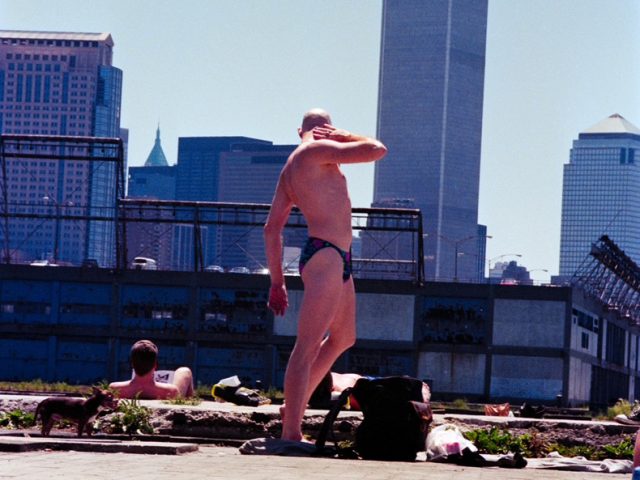
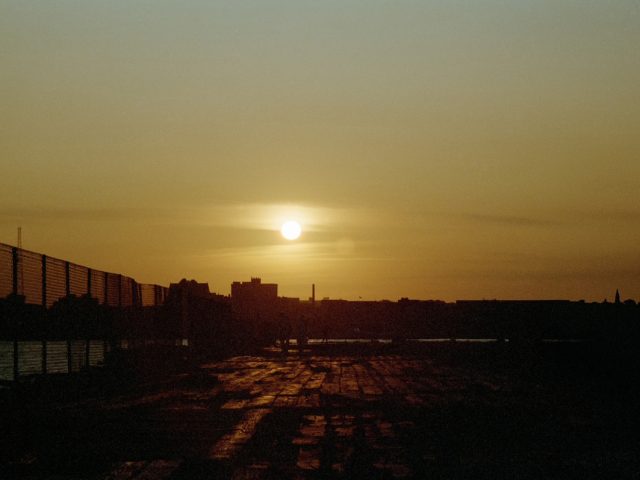
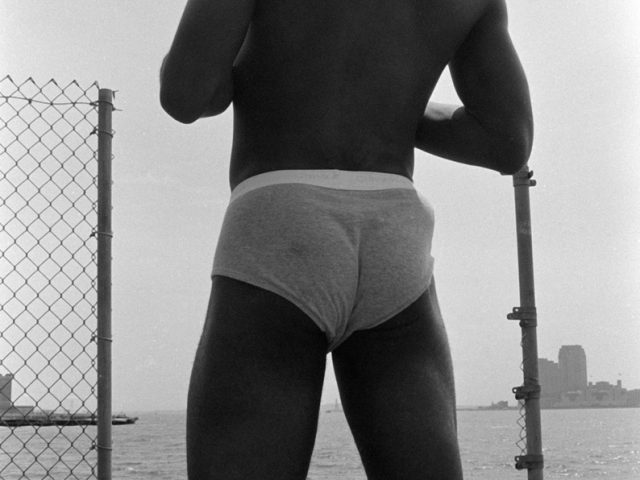
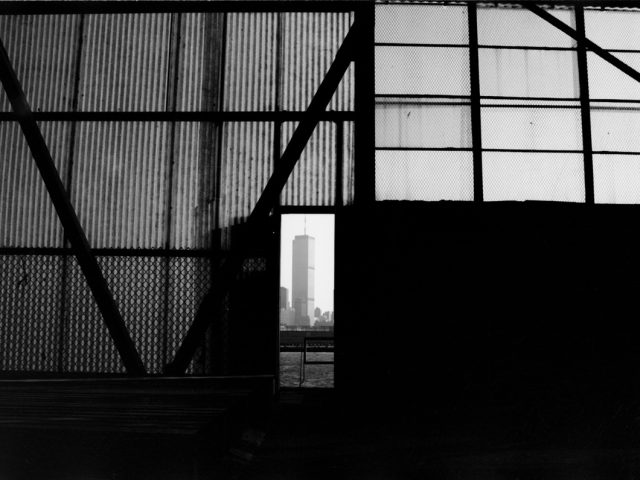
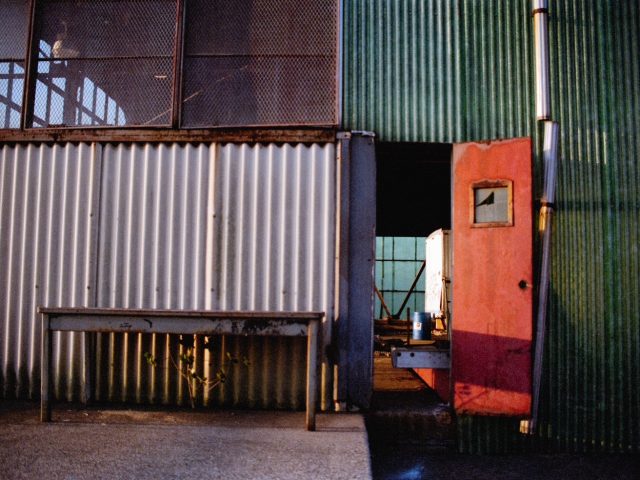
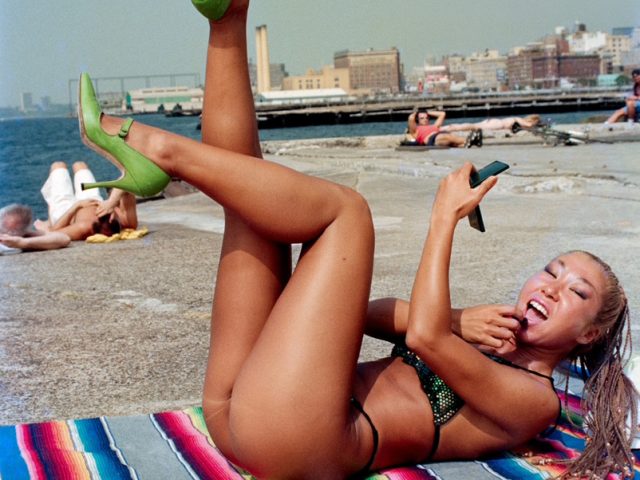
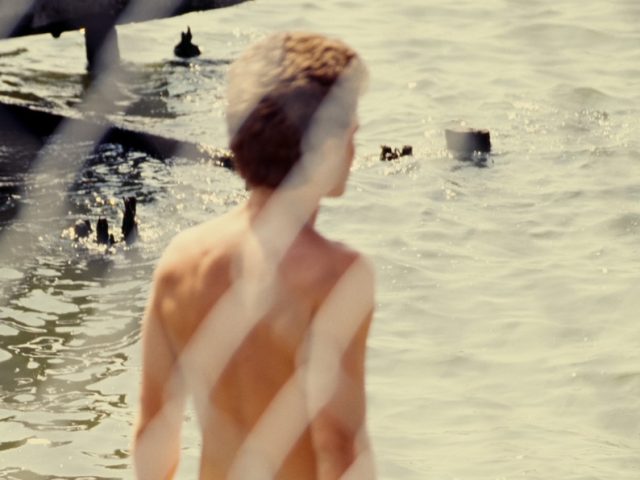
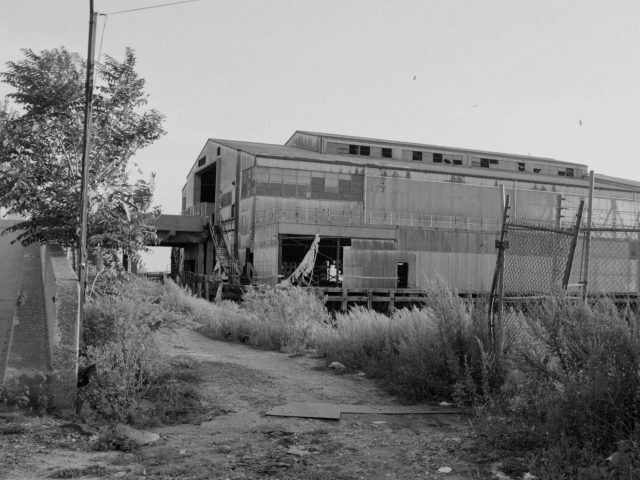
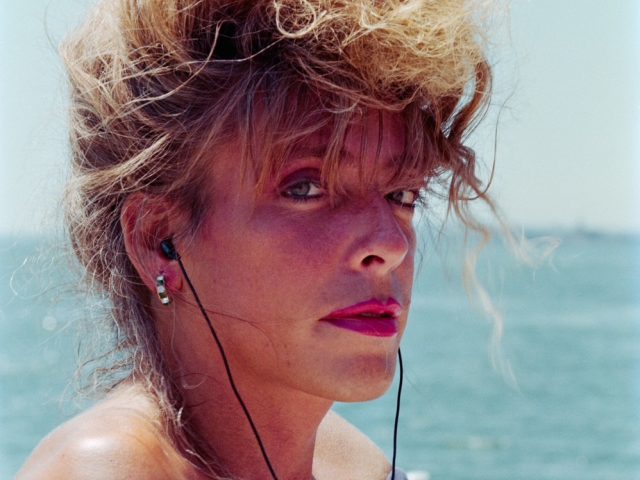
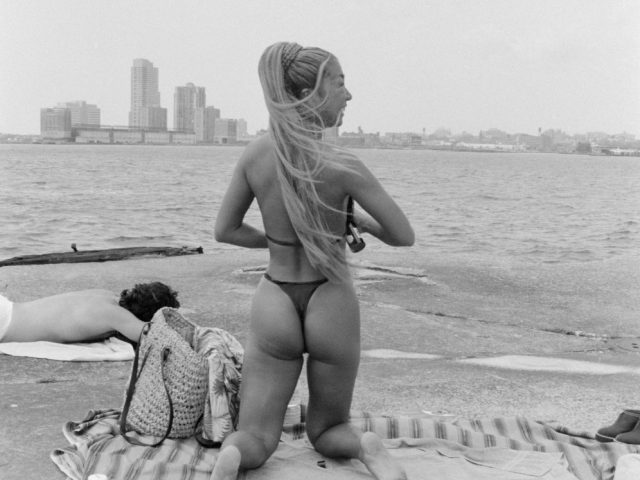
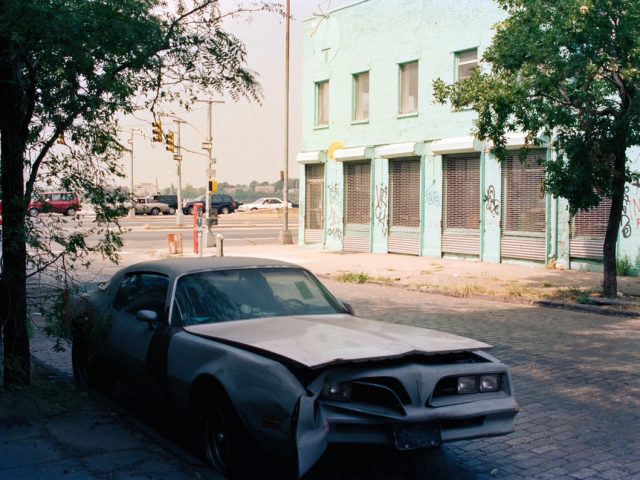
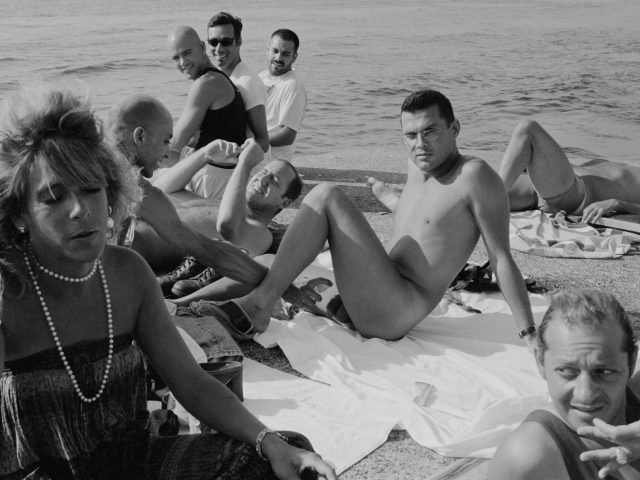
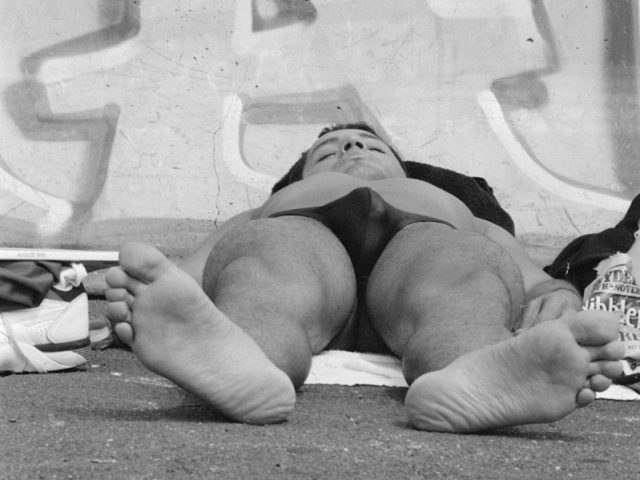
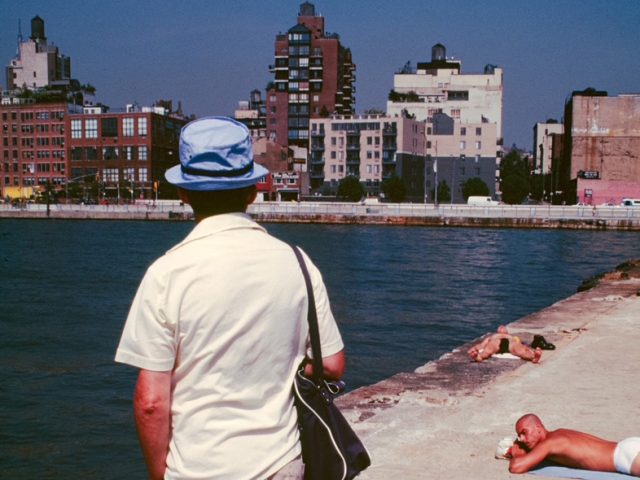
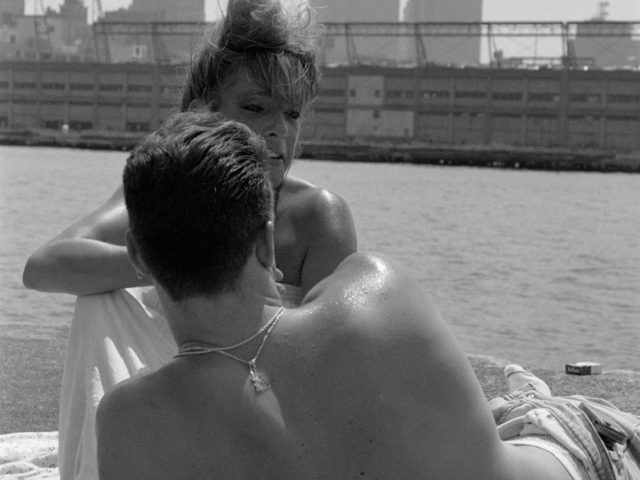
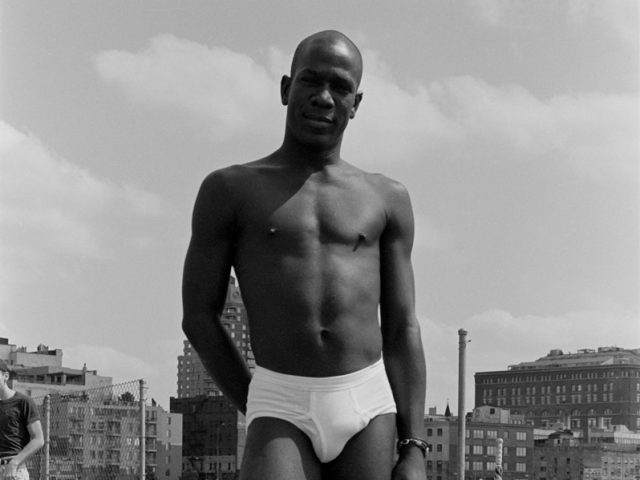
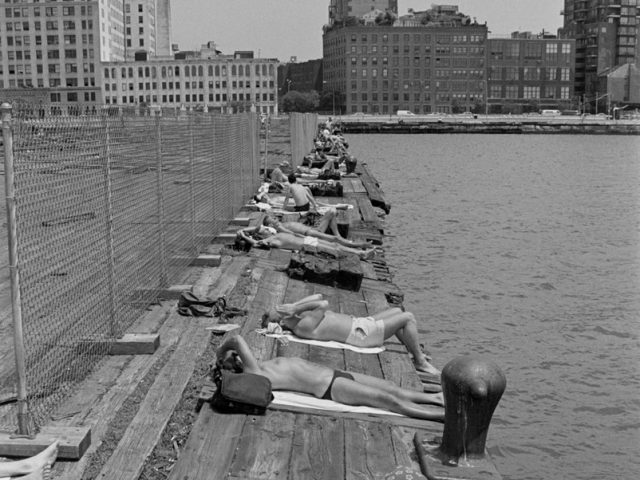
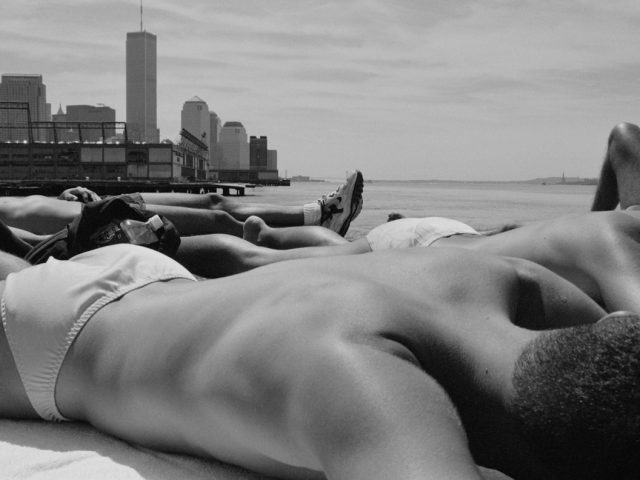
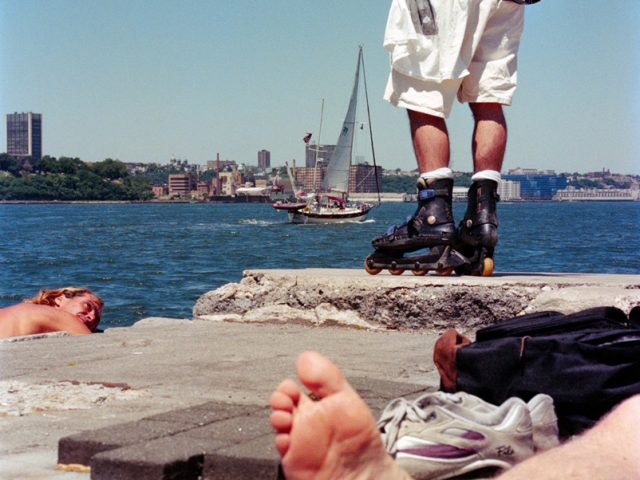
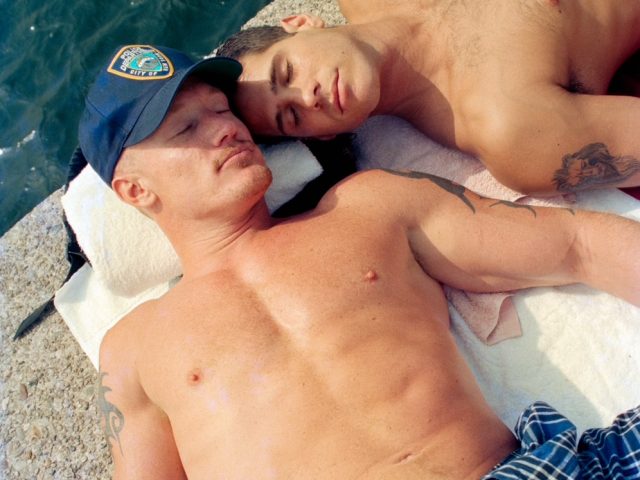
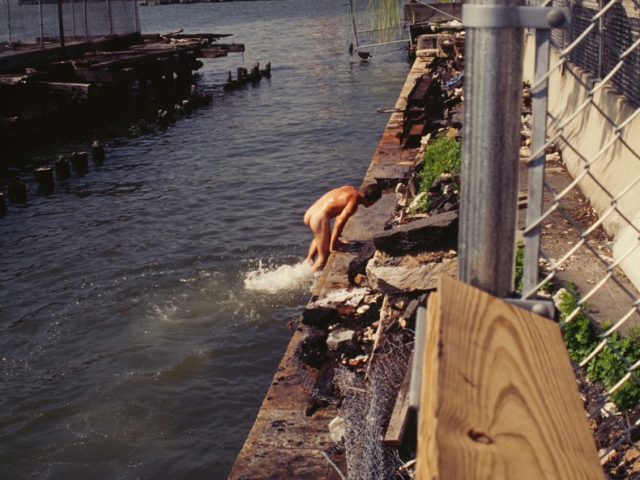
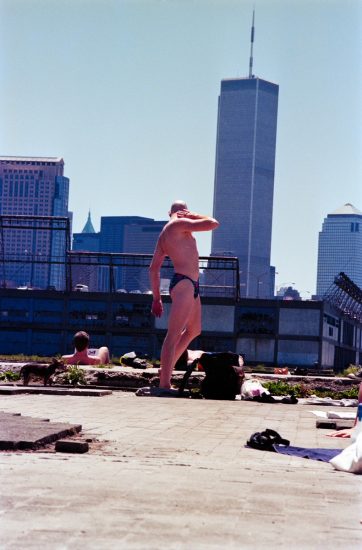
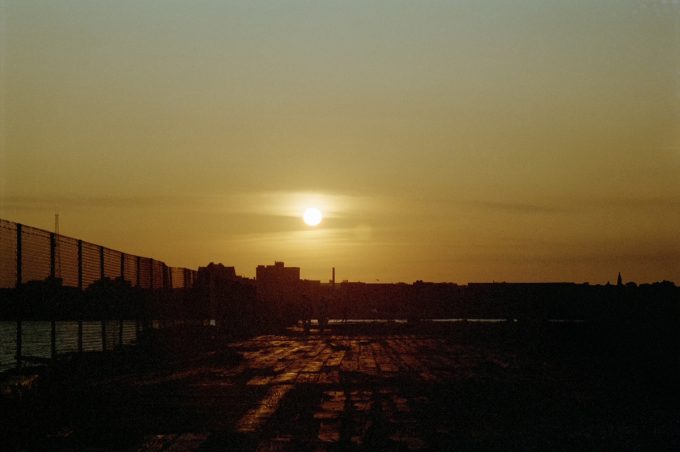
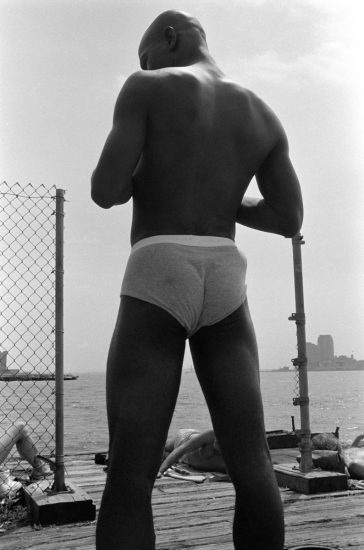
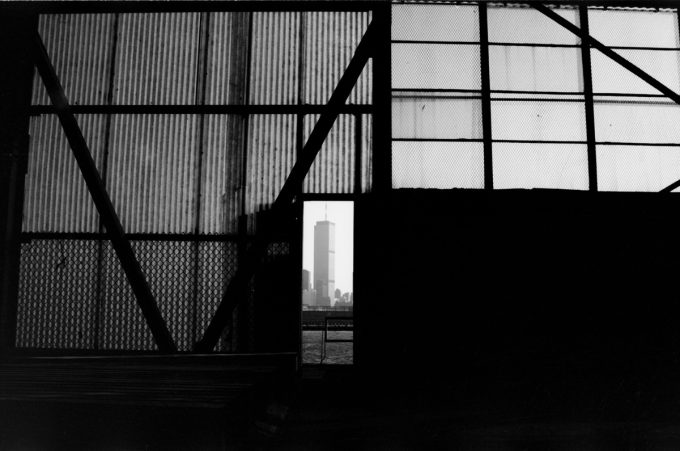
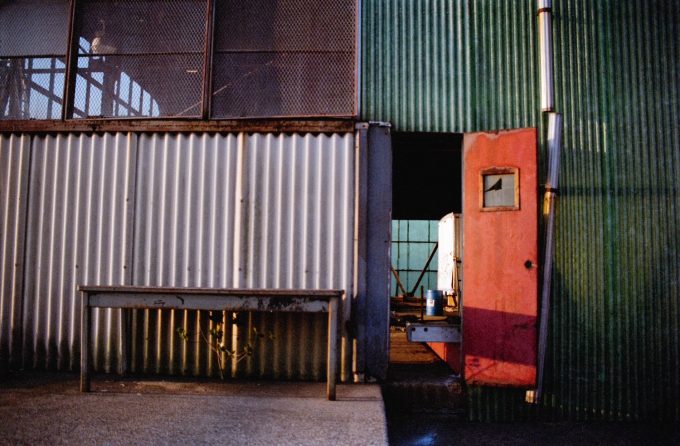
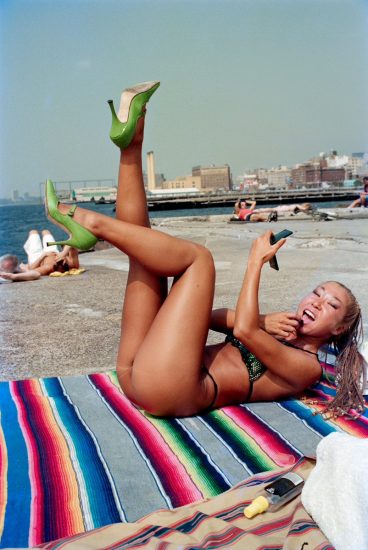
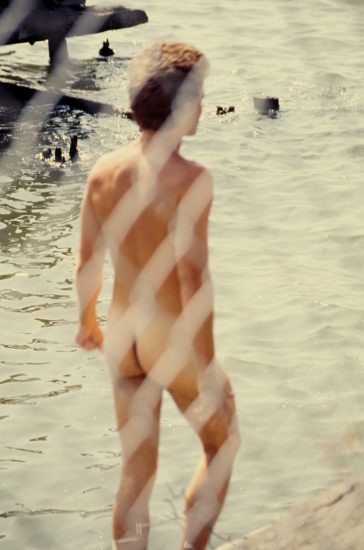
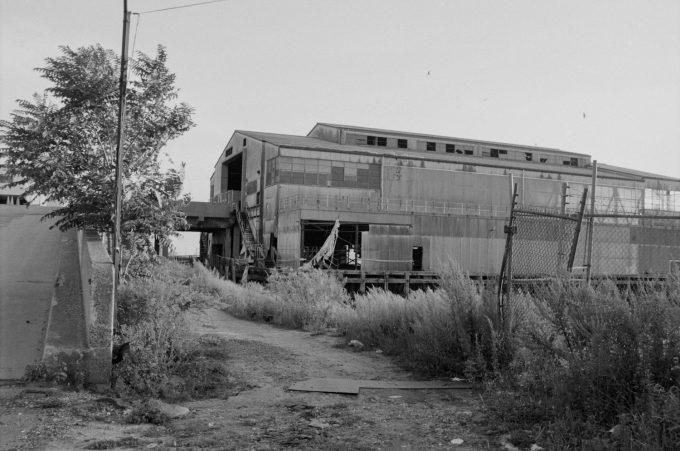
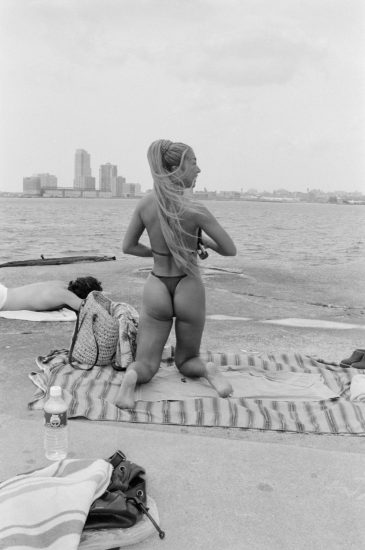
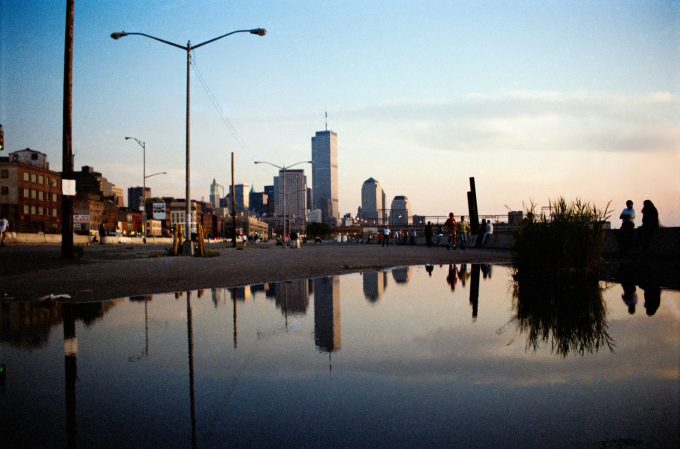
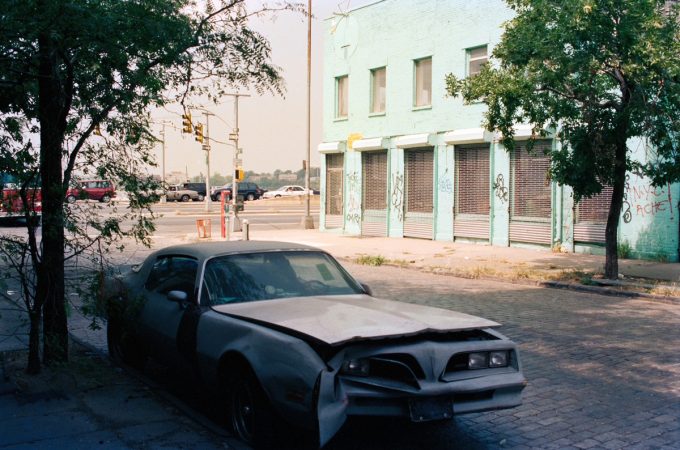
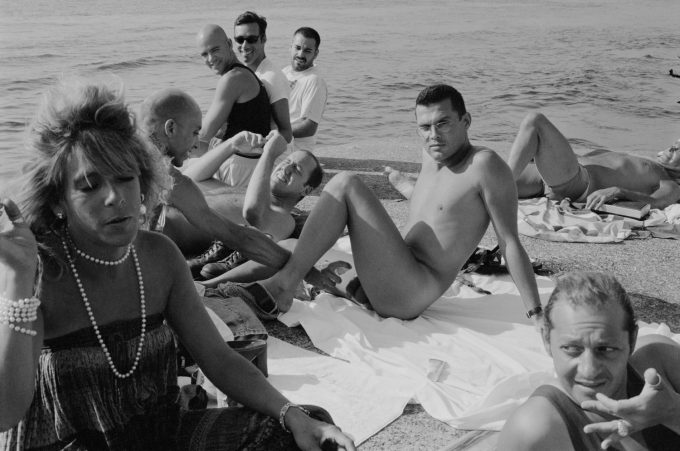
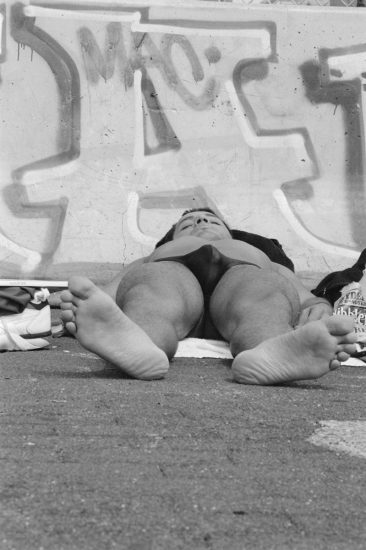
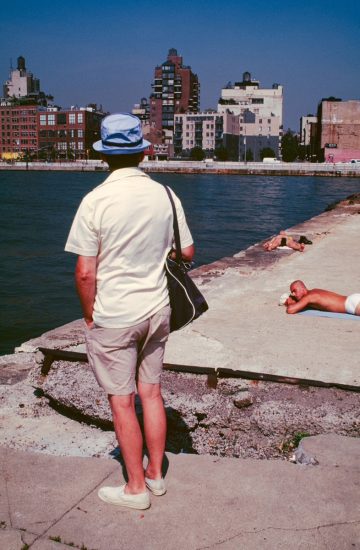
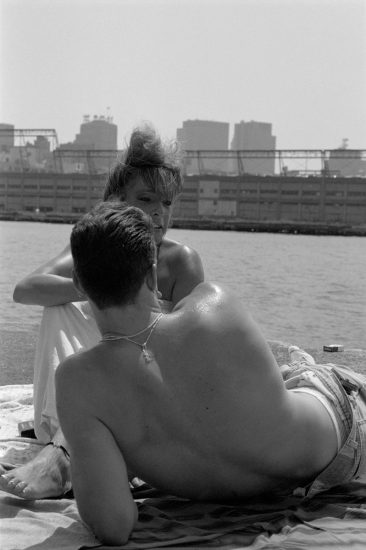
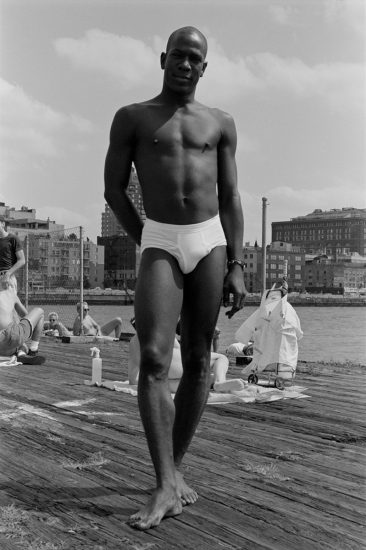
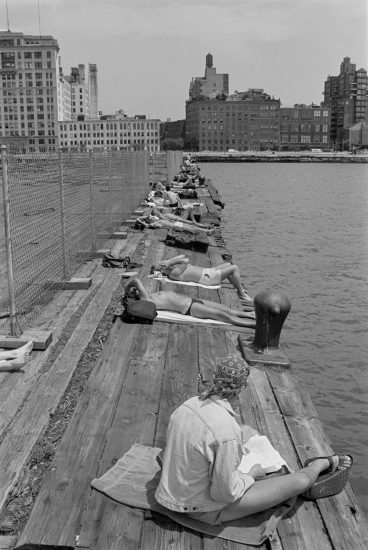
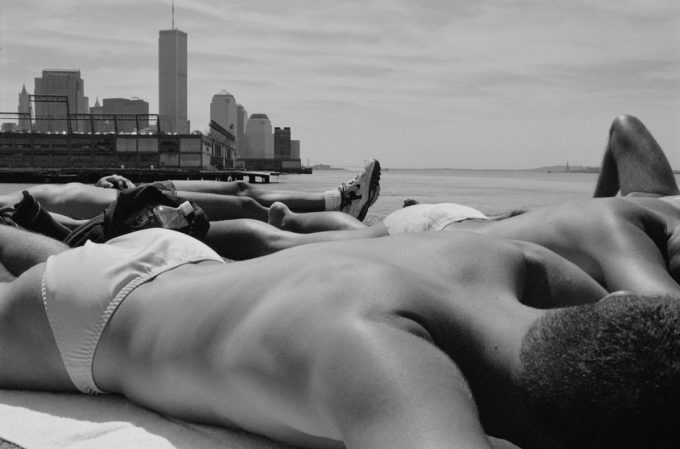
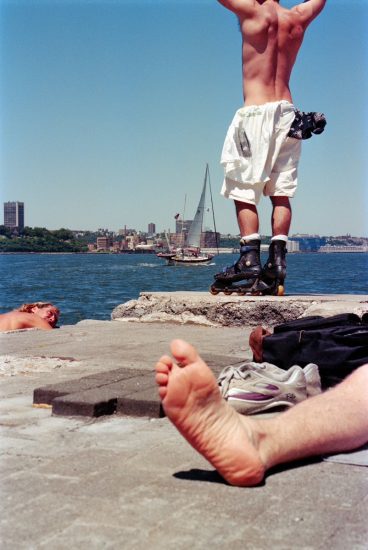
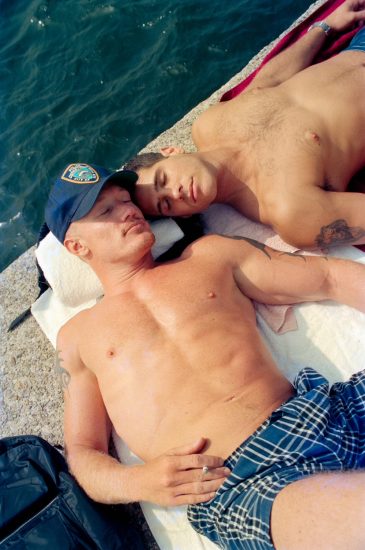
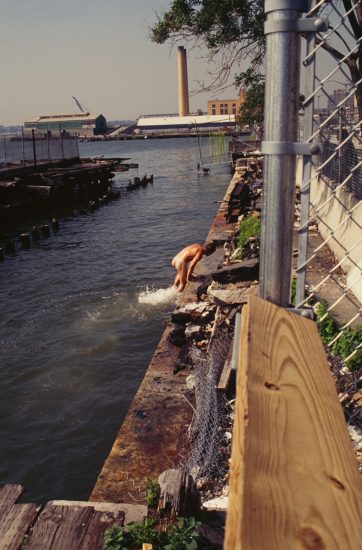
Howell is recognized for his monograph, West Side Highway, published by Dark Entries Editions. Shot during the mid-1990s, the collection features over 70 photographs documenting the final days of the dilapidated Hudson River piers before city demolition and rapid gentrification permanently altered the landscape. Working through an intimate and distinct lens, Howell treats this vanished topography with historical reverence, archiving an era before queer identity achieved mainstream visibility.
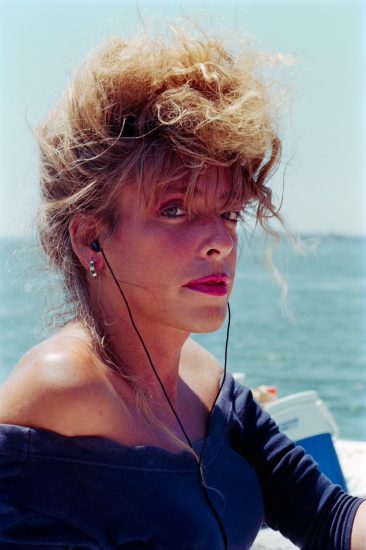
His imagery subverts the mid-90s narrative of the lower West Side as merely a derelict or dangerous environment. Instead, Howell’s photographs frame the decaying architecture as a crucial sanctuary for LGBTQ+ communities of the era. His work navigates complex themes of gender and identity, balancing the raw energy of these gathering spaces with profound glimpses of community, joy, and personal freedom.
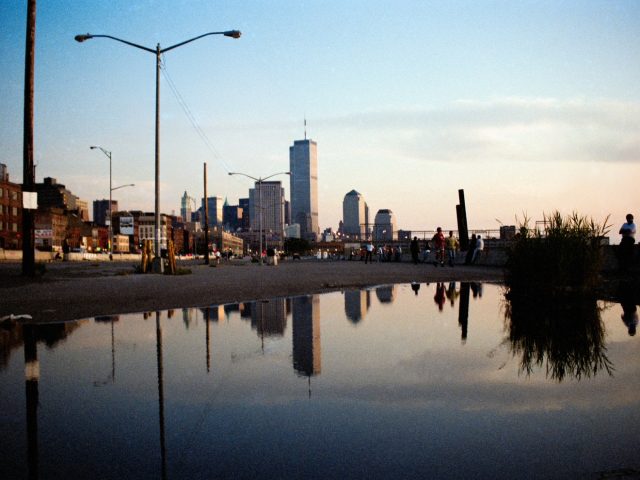
Howell’s photography captures a New York City that no longer exists, utilizing powerful visual fixtures—such as the smokestacks of the old Gansevoort Destructor Plant and the twin towers of the World Trade Center soaring on the horizon—to ground his subjects in a fragile cultural moment. His work has been prominently featured in The Brooklyn Review and Interlude Docs, cementing his role as a vital visual historian of New York’s cultural history.