

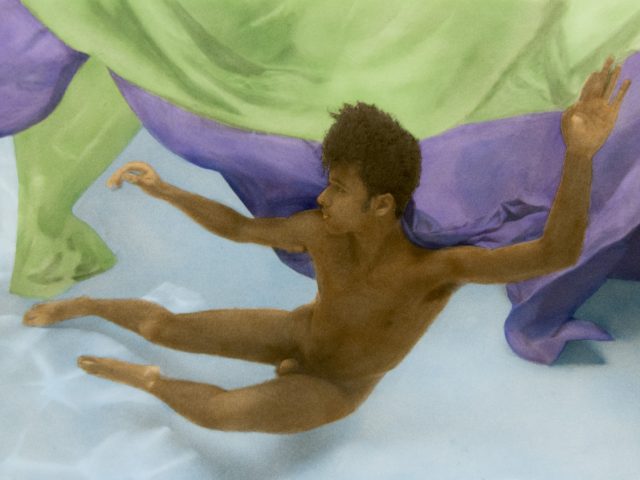
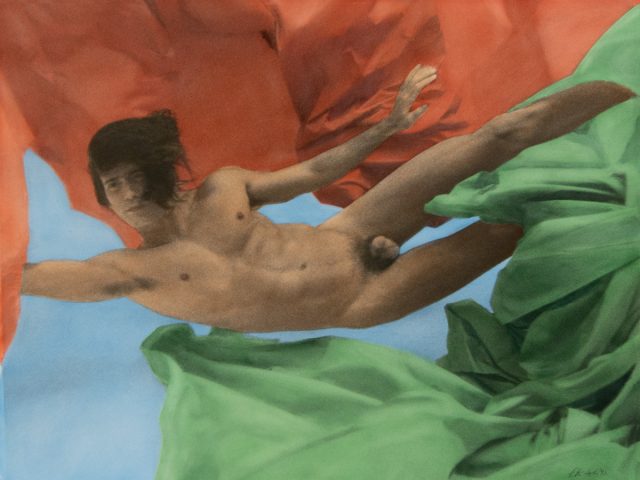
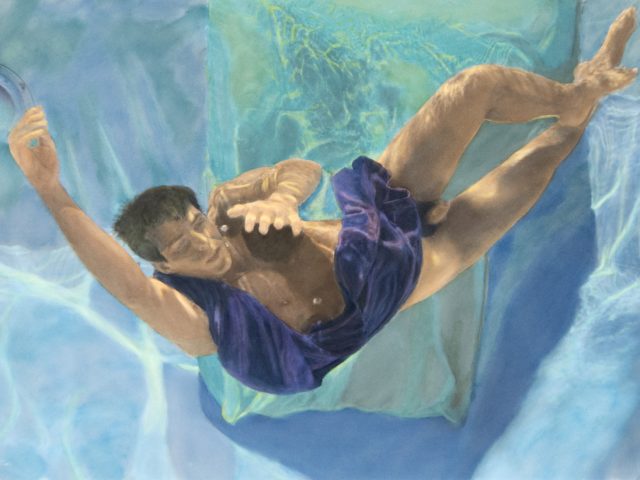
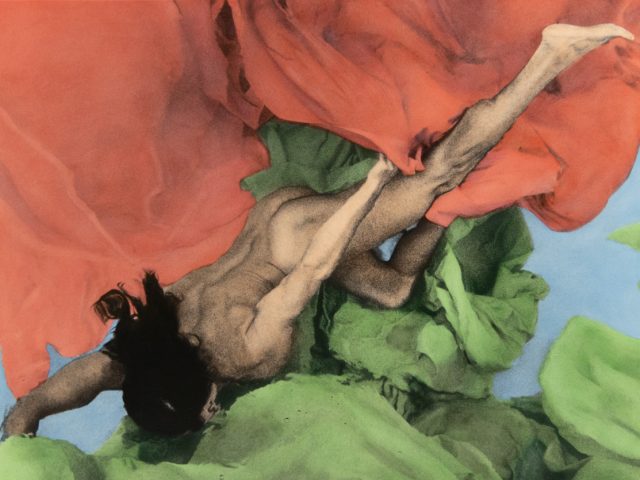
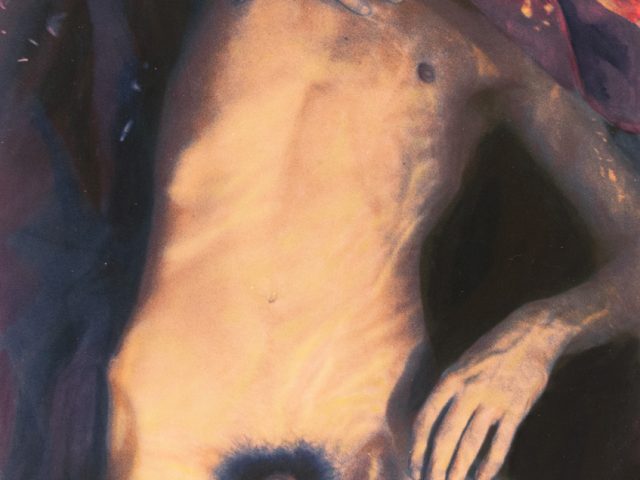
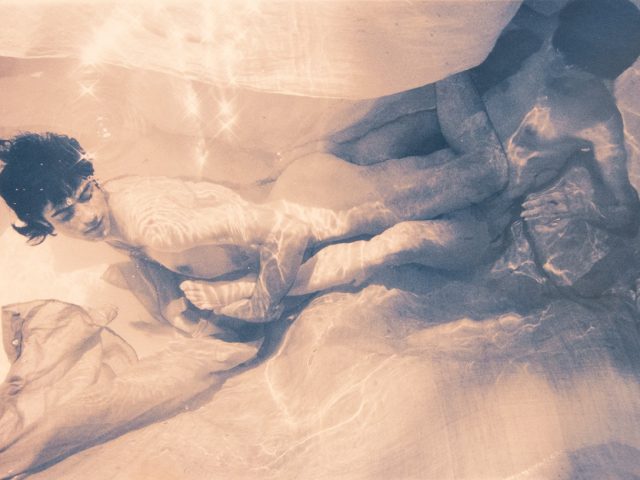
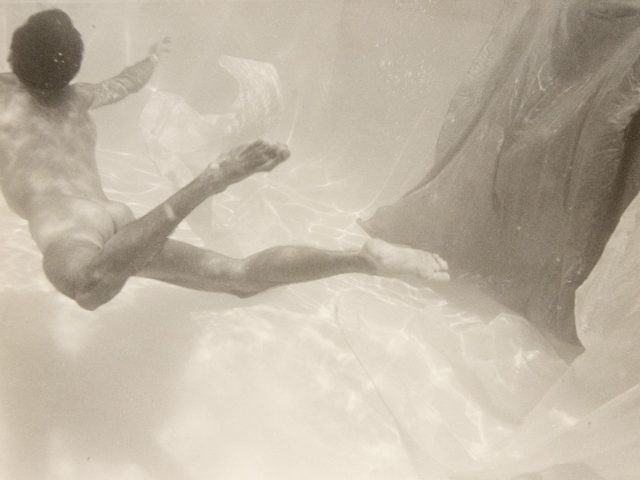
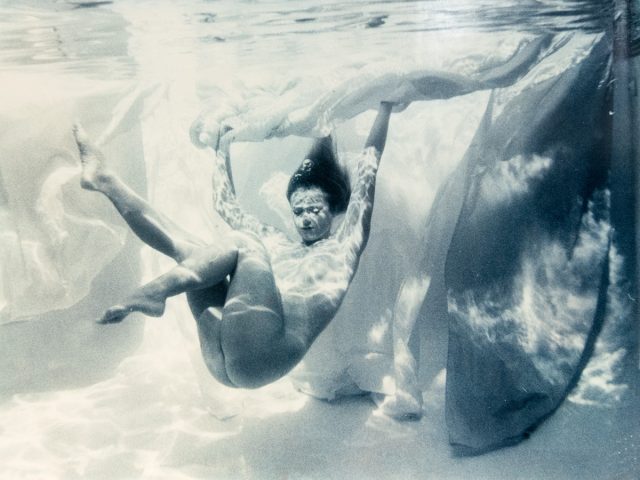
In the early 1980s, artist Curtice Taylor purchased one of the first inexpensive, mass-market underwater cameras. It was a rudimentary, all-plastic device that required a fresh application of Vaseline to its ring gasket each time the camera was sealed. Taylor brought the camera to the Fire Island Pines to photograph friends and acquaintances in the swimming pool of his summer share.
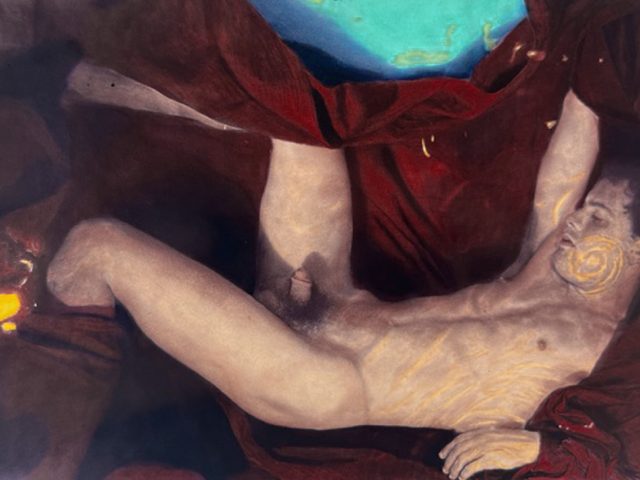
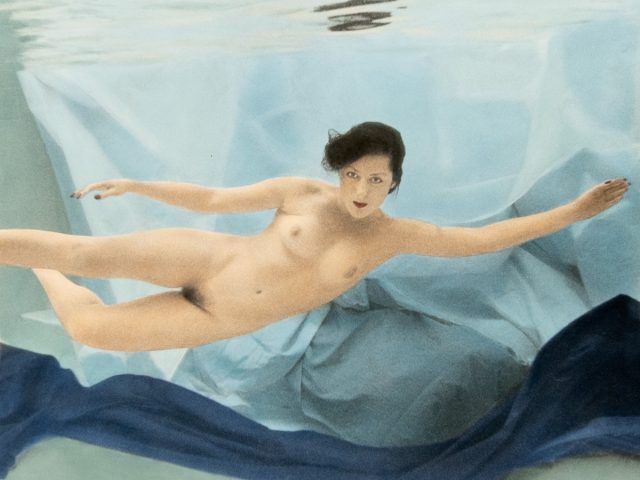
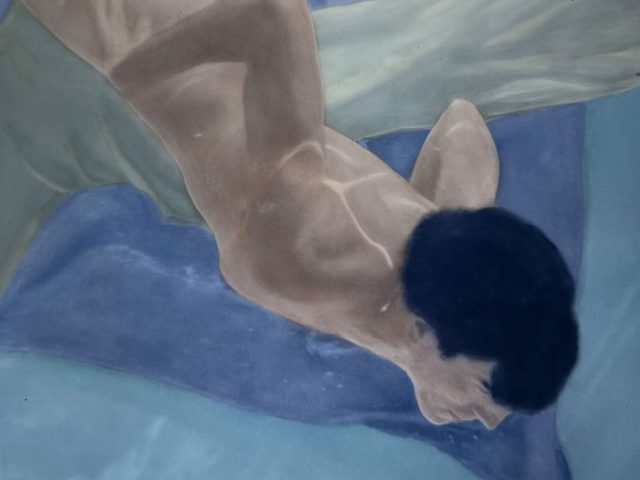
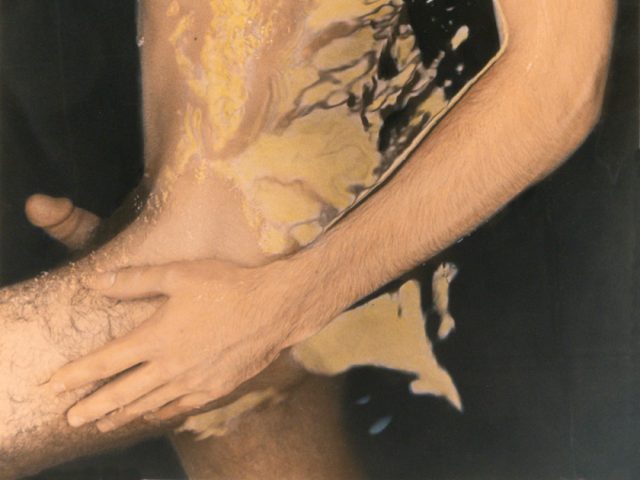
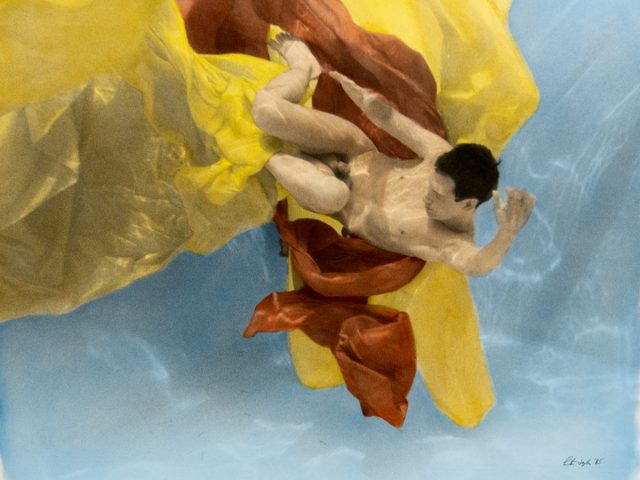
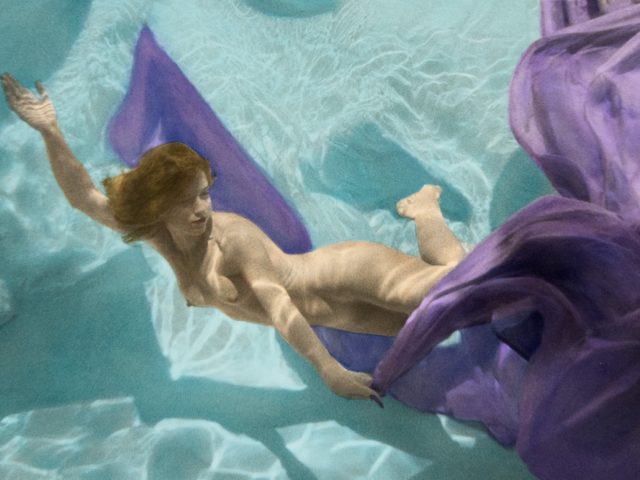
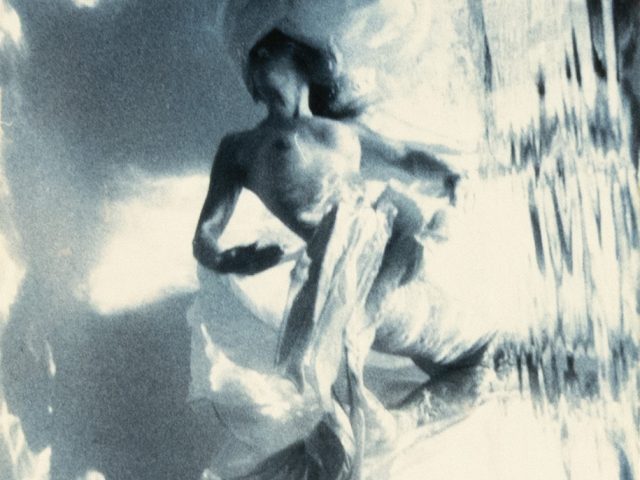
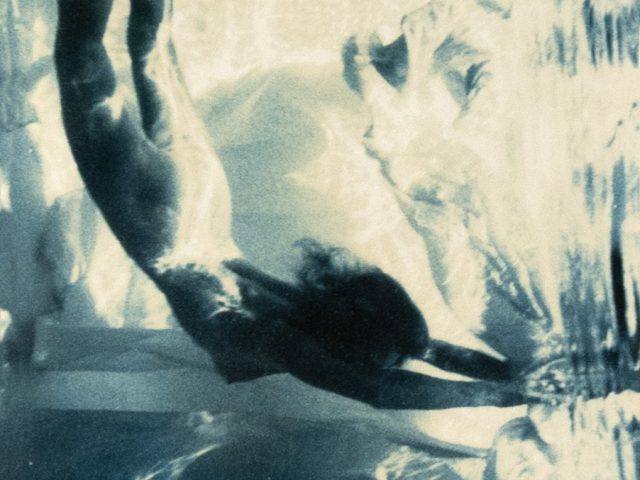
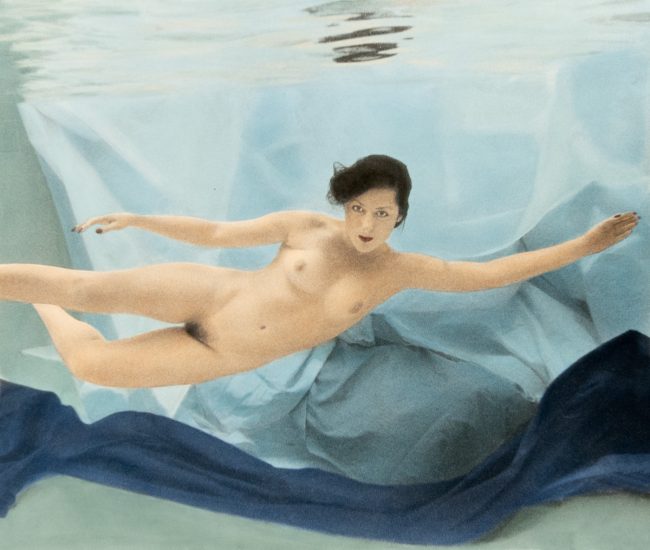
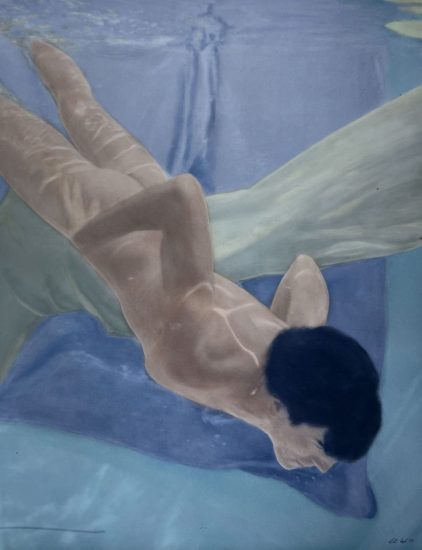
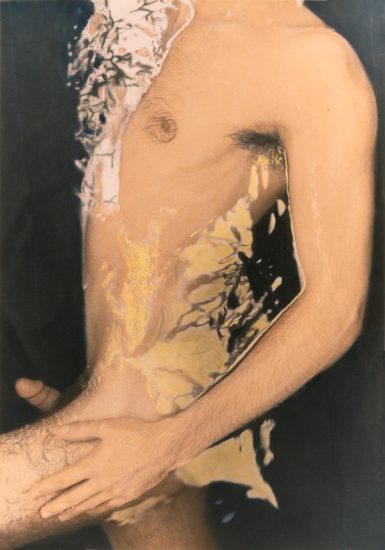
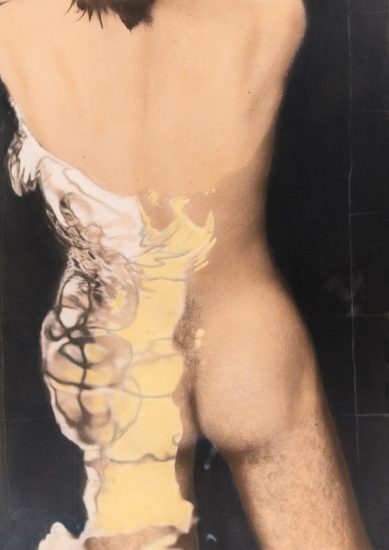
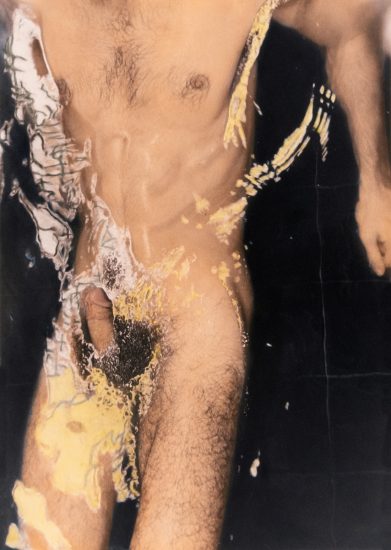
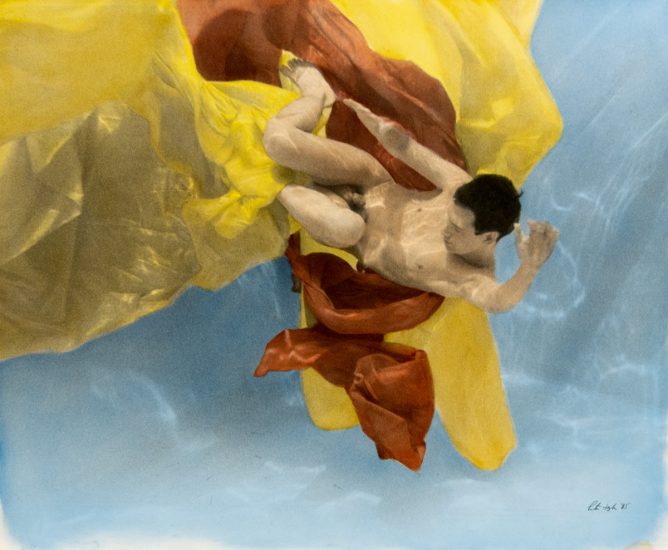
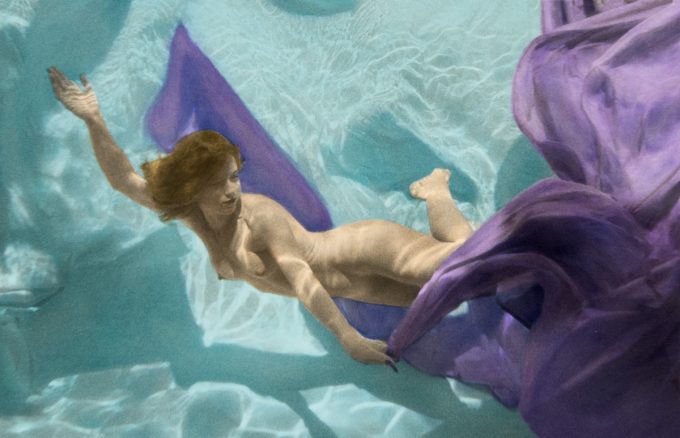
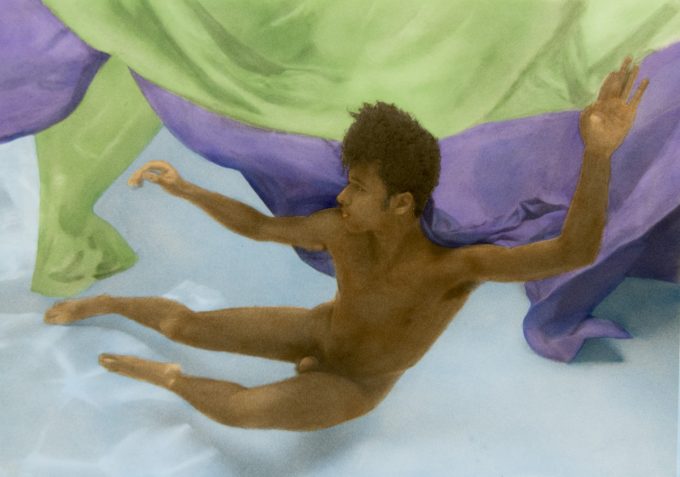
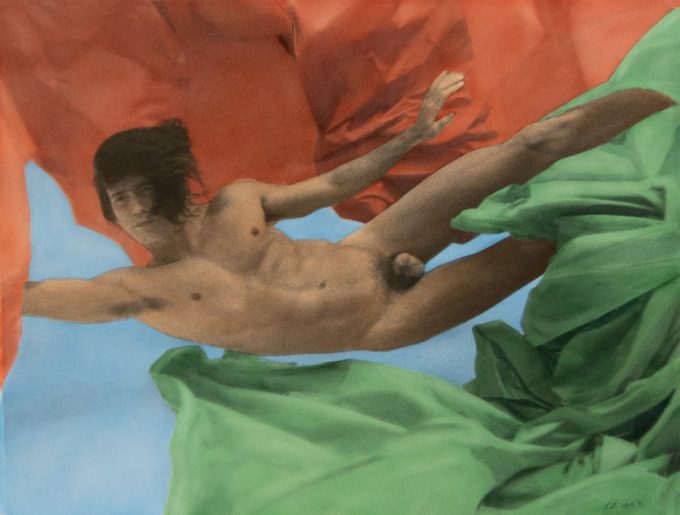
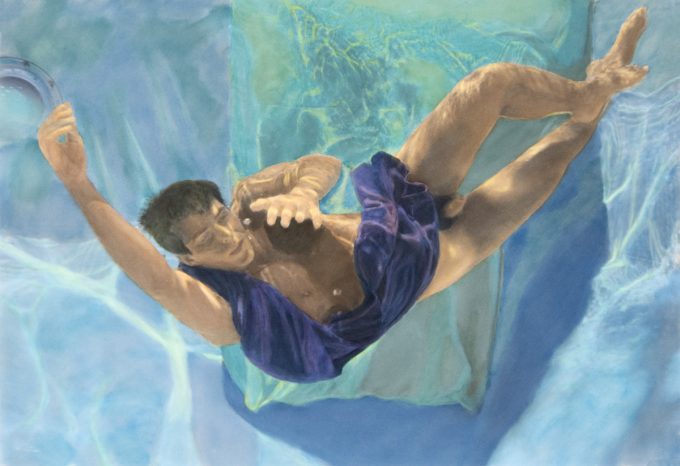
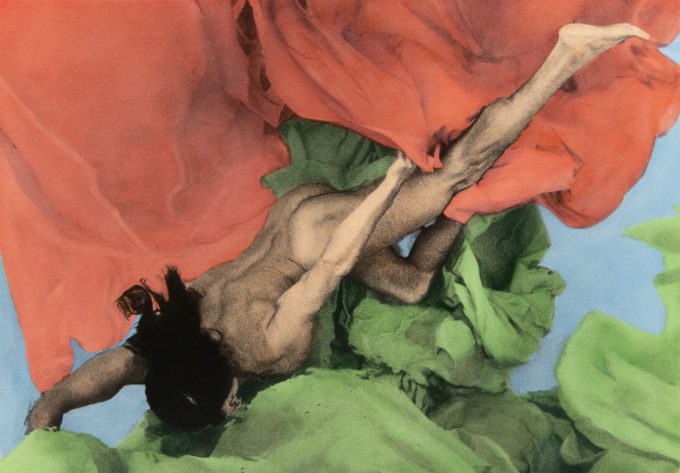
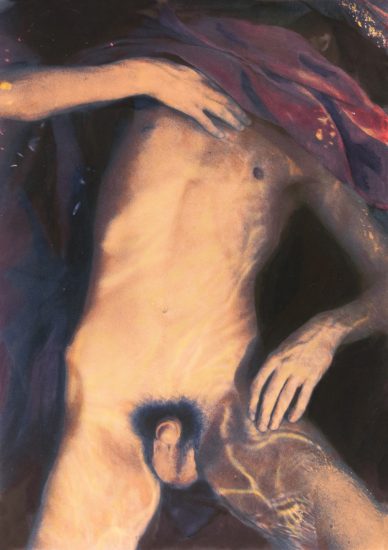
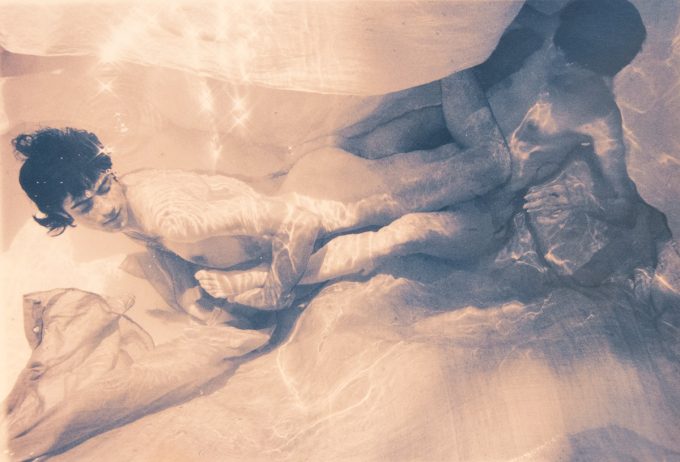
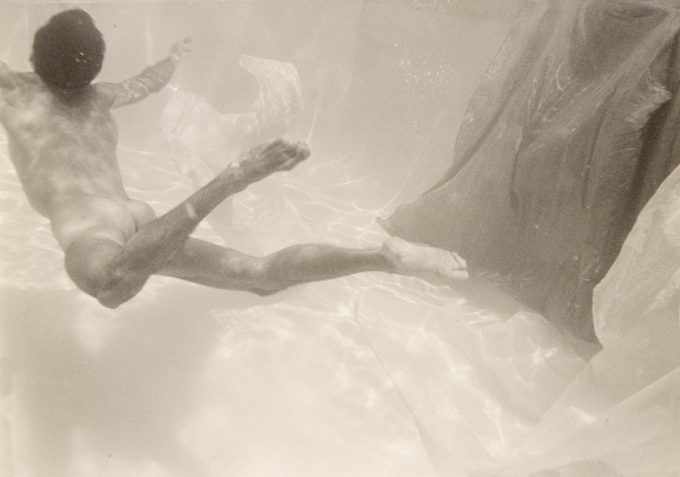
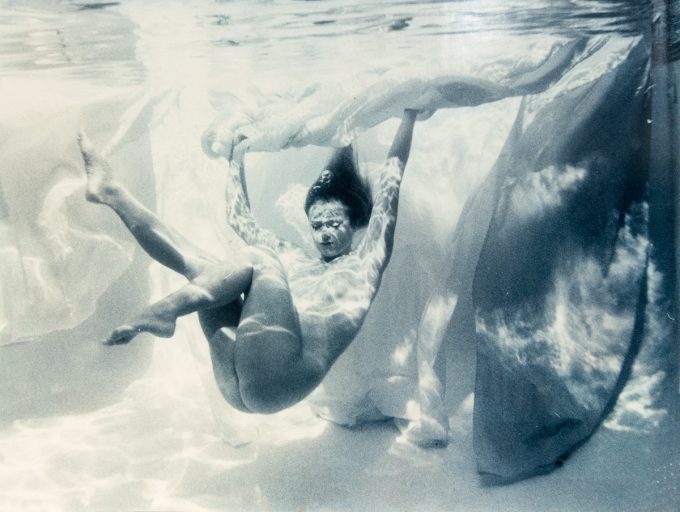
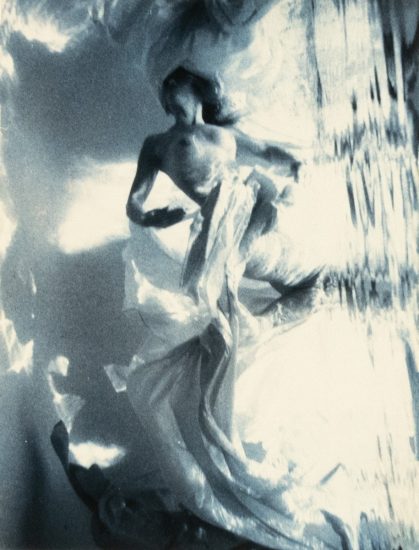
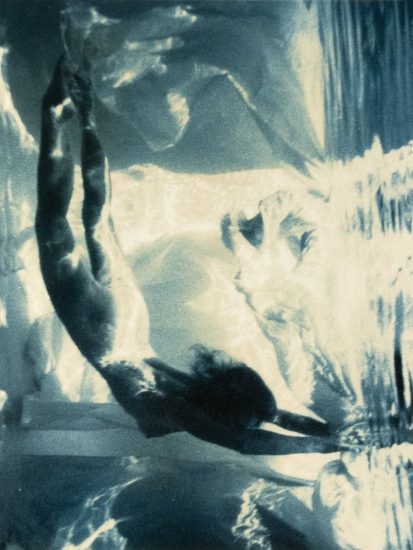
During his first shoot, Taylor and a volunteer model submerged themselves in the clear water. The session took an unexpected artistic turn when friends on the pool deck playfully tossed a towel into the water to disrupt the shoot. Watching the fabric drift past the model in a striking, ethereal fashion, Taylor surfaced—not to scold his friends, but to thank them. He immediately instructed them to strip the sheets from their beds and throw those into the pool as well. The resulting images of a figure floating underwater, draped in shifting fabric, evoked the classical frescoed ceilings of Renaissance and Rococo villas that Taylor had recently visited in Italy. This classical connection was solidified when he reviewed the developed prints later that week back in Manhattan. Over the next several years, Taylor expanded the series, diving into pools with fabric-draped models across Fire Island; Key West, Florida; and Greenwich, Connecticut.
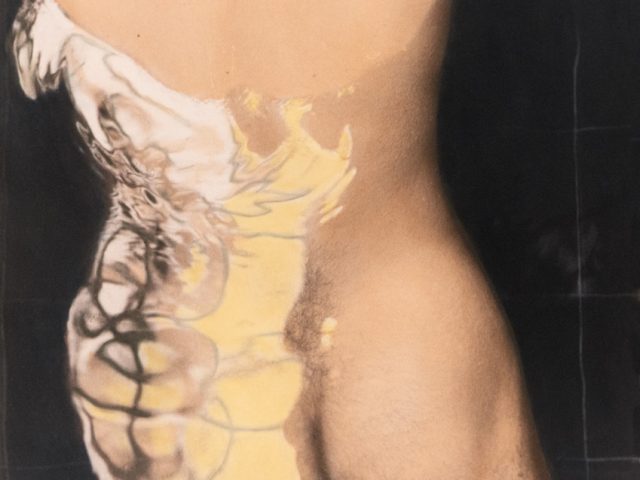
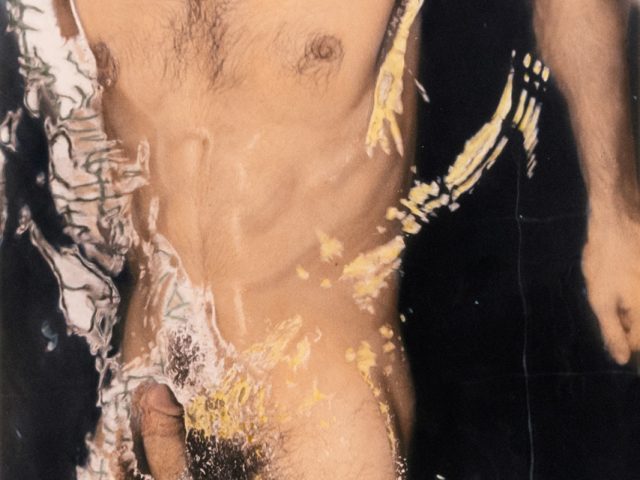
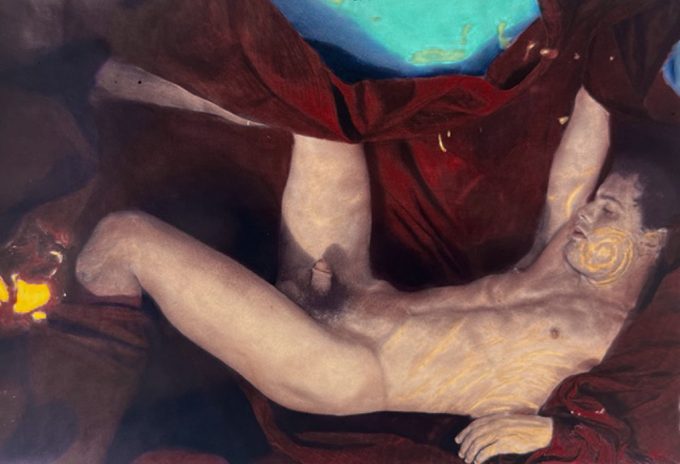
At that point, Taylor had been hand-painting his photographs for some time, so the application of paint to the black-and-white prints of underwater nudes was a natural progression. Rather than opting for the soft pastel shades typical of early twentieth-century “tinted” photography, Taylor applied intense, saturated tones. These vibrant colors enhanced the timeless, weightless quality of his subjects. While he hand-painted many of the works, he chemically toned other gelatin silver prints, shifting the black-and-white prints into shades of blue.
Taylor’s work from this era aligns with a broader artistic movement. Hand-painted photography experienced a major revival in the 1980s as contemporary creators rejected strict documentary realism in favor of mixed-media experimentation. Artists as varied as Gerhard Richter, Pierre et Gilles, Peter Beard, and Mark Morrisroe each developed signature techniques to enhance and transform their darkroom prints. Taylor’s “Vintage Underwater Nudes” are a notable contribution to this innovative period, blending classical art history with the vibrant, expressive energy of 1980s queer culture.